
Regional Analysis
The Cambodian Packaging Landscape
Analyzing the shift toward professionalization in Southeast Asian flexible packaging.
Cambodia's manufacturing sector is experiencing a transition from basic commodity production to value-added processing. In the non-metallic mineral and plastic products industry, there is a growing demand for specialized packaging that can protect agricultural exports—such as pepper, cashew nuts, and coffee—from the region's intense humidity. The local market is characterized by a mix of small-scale artisans and emerging industrial parks, creating a diverse need for packaging that ranges from small custom batches to high-volume industrial runs.
Current trends indicate a sharp rise in "convenience consumption" within Phnom Penh and Siem Reap, driving the demand for coffee tea bags and single-serve pouches. Consumers are increasingly prioritizing visual aesthetics and perceived quality, forcing local brands to upgrade from simple plastic wraps to sophisticated, multi-layered pouches. Additionally, the integration of better printing technology is becoming a primary competitive advantage as brands seek to communicate origin and organic certifications clearly on their packaging.
The outlook for the Cambodian market is heavily influenced by international trade agreements and a global push toward sustainability. There is a significant opportunity for companies that can provide "Green" alternatives, such as compostable films, as local regulations begin to align with ASEAN environmental standards. However, the constraint remains the high cost of importing specialized raw materials, which makes a vertically integrated supplier—controlling everything from film blowing to final pouch creation—highly valuable for local efficiency.
Industry Journey
Evolution of Flexible Packaging Technology
Tracing the path from basic containment to intelligent, sustainable barrier systems.
Early Adoption
Basic Containment
Packaging focused primarily on basic transport and containment using single-layer plastics with minimal printing and low barrier protection against the environment.
Mid-Development
Multi-layer Integration
Introduction of lamination techniques combining different polymers to improve shelf-life and the adoption of high-color printing for brand differentiation.
Current Phase
Sustainable Intelligence
Shift toward PCR materials, compostable films, and highly specialized formats like coffee and tea bags that balance ecology with utility.
Precision Lamination
The shift from solvent-based to solvent-free lamination has reduced chemical residues in food packaging, meeting stricter EU and FDA safety standards and improving the overall health profile of packaged goods.
Custom Format Diversification
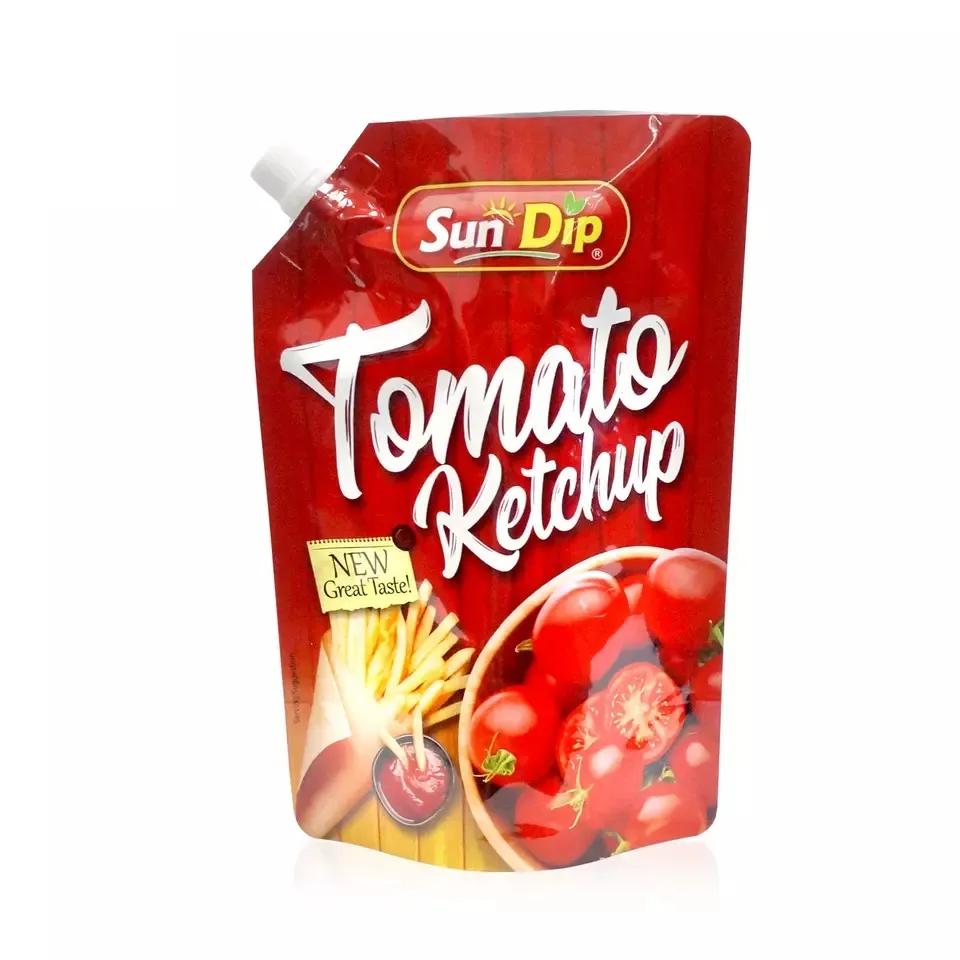
Standard bags are being replaced by multifunctional pouch designs, including stand-up pouches with zippers and spouts, allowing brands to enter new categories like liquid beverages and frozen foods.
Circular Economy Integration
The industry is moving toward a closed-loop system where 30% PCR (Post-Consumer Recycled) content becomes the baseline, reducing the reliance on virgin plastics without compromising the barrier.
Future Outlook
Global Trends Reshaping Local Packaging
Adapting to the next generation of material science and consumer expectations.
PCR Material Adoption
Integrating Post-Consumer Recycled content into PE films to reduce carbon footprints while maintaining the structural integrity required for heavy-duty pouches.
Eco-Friendly Alternatives
Transitioning toward 100% compostable bags that break down naturally, catering to the luxury organic food segment in Cambodia and international markets.
Smart Barrier Logic
Developing selective permeability in films to allow breathing for fresh produce while blocking external pollutants, optimizing the "farm-to-table" supply chain.
Hyper-Customization
The move toward smaller, specialized batches of paper carrier bags and custom pouches to support niche artisan brands.
The integration of advanced material science is no longer optional for Cambodian producers seeking to export. By utilizing high-speed 10-color printing and solvent-free lamination, companies can achieve the "premium look" that is essential for competing in the EU and US markets. This technological leap allows for clearer communication of product benefits, such as "Organic," "Fair Trade," or "Recyclable," directly on the packaging, which significantly increases consumer trust and conversion rates at the retail point of sale.
Furthermore, the shift toward Green products is driving a redesign of the entire supply chain. The use of 30% PCR content PE film represents a middle ground for companies that need the strength of traditional plastics but want to demonstrate environmental responsibility. This trend is particularly strong in the beverage and snack sectors, where the volume of waste is highest. As Cambodia continues to develop its industrial base, the adoption of ISO and HACCP certified packaging will become the standard for any business intending to scale beyond the domestic market.
Application Cases
Practical Packaging Scenarios in Cambodia
How tailored packaging solutions solve real-world business problems locally.
01
Artisan Coffee Roasters in Phnom Penh
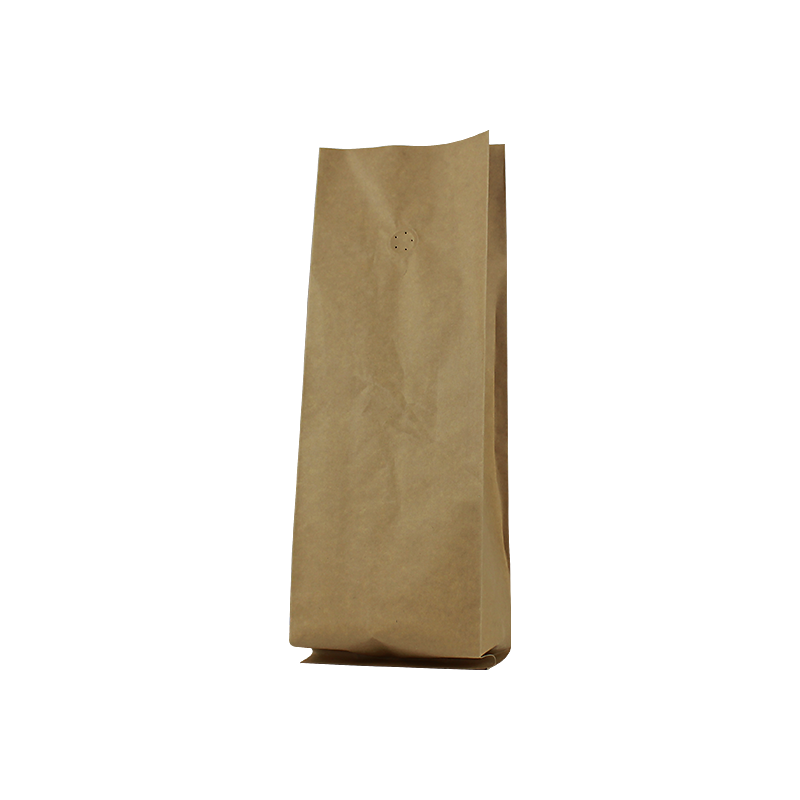
Local roasters need to preserve volatile aromatic oils in their beans. By implementing high-barrier pouches with one-way degassing valves and professional matte finishes, they prevent oxidation caused by Cambodia's heat, ensuring the "specialty" taste is preserved from the roastery to the customer's cup, increasing repeat purchase rates.
02
Dried Fruit Exporters to the EU
Exporters of dried mango and pineapple face strict EU regulations regarding food contact materials. By switching to FDA-approved, HACCP-certified multi-layer pouches, these businesses eliminate the risk of shipment rejection due to packaging non-compliance, while the high-strength seals prevent punctures during long-haul sea freight.
03
Urban Tea Boutiques and Cafes
The rise of quick-service tea culture requires a balance of elegance and speed. The adoption of custom-printed coffee tea bags allows boutiques to offer a premium, consistent brewing experience without needing expensive equipment, enabling them to expand their product line into retail gift sets.
04
Eco-Conscious Cosmetic Brands
Local organic skincare startups want to avoid virgin plastics. Using 100% recyclable or 30% PCR content pouches for their samples and refills allows them to align their packaging with their "natural" brand identity, attracting the environmentally conscious Gen-Z demographic in urban centers.
05
Frozen Food Distributors in Provinces
Distributing frozen goods to remote provinces involves fluctuating temperatures. High-performance frozen-food grade pouches prevent the material from becoming brittle and cracking at low temperatures, ensuring that the vacuum seal remains intact and preventing freezer burn during the "last mile" of delivery.
Evidence of Quality
Representative Packaging Applications
Illustrating the impact of professional flexible packaging on business growth.
Transitioning to high-barrier pouches significantly reduced our product spoilage rates during the monsoon season. The ability to customize the material for high humidity meant our coffee remained fresh for 6 months instead of 3, allowing us to expand our distribution to further provinces without quality loss.
The combination of FDA-approved materials and ISO certification was the key to our successful entry into the European market. Having a partner who controls the process from film blowing to final pouch ensured that our packaging met all safety standards, eliminating customs delays and building trust with our EU buyers.
Moving to PCR-content PE film allowed our brand to maintain the durability needed for frozen food storage while fulfilling our corporate sustainability goals. The print quality remained high, proving that eco-friendly materials don't have to sacrifice the professional look and feel of the product.
Our Heritage
About BCPak Ltd
A decade of excellence in flexible packaging manufacturing and sustainable innovation.
2010
Company Foundation
BCPak Ltd was established in Foshan City, Guangdong Province, China, with a vision to provide high-quality flexible packaging solutions to global markets, focusing on precision and material reliability.
2017
Green Packaging Initiative
Driven by a mission to make the earth greener, BCPak began manufacturing 100% recyclable and compostable packaging bags, pioneering sustainable alternatives in the flexible packaging industry.
Present
Advanced Material Integration
Today, we promote the use of 30% PCR content PE film and leverage our group company, CY Packaging, to offer seamless service from raw material blowing to finished high-tech pouches.
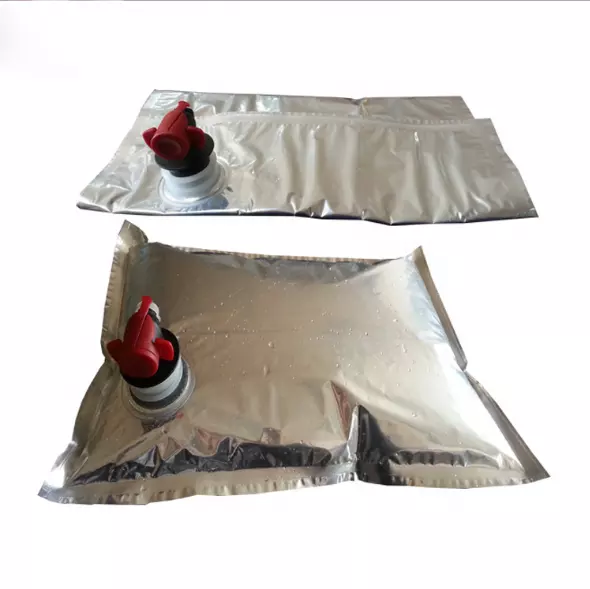
Wine Juice Fruit Storage Aseptic High Barrier Aluminum Foil Reusable Coffee Bags Pouch
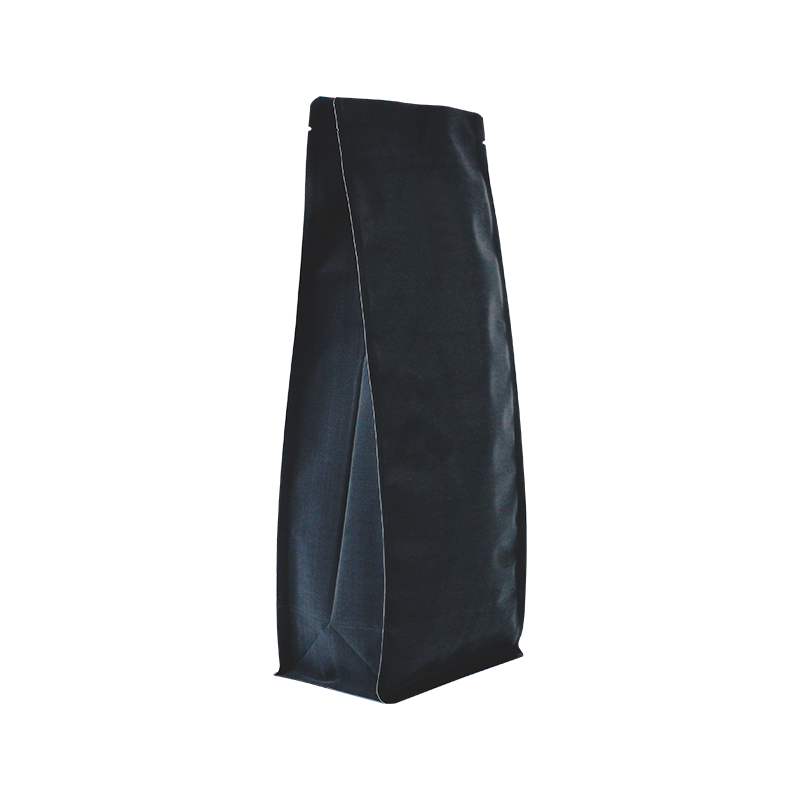
100% Recyclable Flat Bottom Pouch
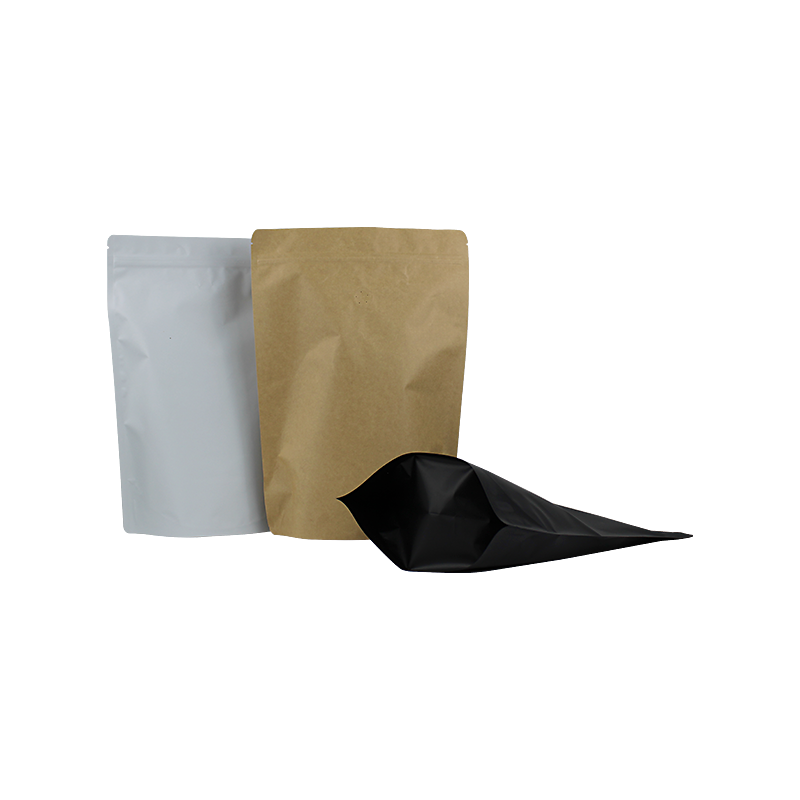
Tea/Snacks/Pet Food Stand Up Pouch Packaging Bag
Kraft Stand Up Pouches
Common Inquiries
Packaging Expert Q&A
Detailed answers to help Cambodian businesses make informed packaging decisions.
What is the difference between standard pouches and your high-barrier pouch packaging?
Standard pouches typically use a single layer of plastic that allows oxygen and moisture to permeate over time. Our high-barrier pouch packaging utilizes multi-layer lamination—combining different polymers and occasionally foil layers—to create a nearly impermeable shield. This is critical for products like coffee or dried fruits in Cambodia, where high humidity can otherwise lead to rapid oxidation and loss of flavor within weeks.
How do your certifications like ISO and HACCP benefit my local Cambodian business?
These certifications ensure that the packaging is manufactured under strict hygiene and quality control standards. For a local business, this means reduced risk of product contamination and a significant advantage when applying for export licenses. Since we use FDA and EU approved raw materials, your products can enter high-value markets in Europe and North America without facing regulatory rejections due to packaging safety concerns.
Can you produce custom drip coffee bags for small-batch artisanal roasters?
Yes, we accept custom orders for different designs, sizes, and materials. We understand that artisan roasters often need specific aesthetics to convey their brand's premium nature. We can produce drip coffee bag solutions that include high-resolution printing and precise dimensions, ensuring the bag fits the brewing equipment perfectly while maintaining the coffee's freshness.
What are the practical benefits of using 30% PCR content PE film over virgin plastic?
30% PCR (Post-Consumer Recycled) content reduces the environmental impact by repurposing plastic waste, lowering the overall carbon footprint of your product. Practically, our PCR films are engineered to maintain nearly the same strength and barrier properties as virgin PE. This allows brands to market themselves as "Eco-Friendly" or "Sustainable" without compromising the safety or shelf-life of the food products inside.
How does having your own film blowing company (CY Packaging) improve the lead time?
Vertical integration means we don't rely on third-party suppliers for the base film. By controlling the blowing process through CY Packaging, we can customize the film's thickness, blend, and properties specifically for your product's needs. This eliminates external supply chain delays, reduces communication errors between the film maker and the pouch maker, and allows for faster prototyping and production cycles.
Which packaging material is best for frozen foods distributed in Cambodia?
For frozen foods, we recommend specialized multi-layer films that are designed to remain flexible at sub-zero temperatures. Standard plastics can become brittle and crack in the freezer, leading to "freezer burn" and spoilage. Our frozen-grade materials maintain seal integrity and puncture resistance even in extreme cold, ensuring that your products remain protected during transit from cold storage to the end consumer.
Ready to Upgrade
Elevate Your Brand with Cambodia's Most Reliable Packaging Partner
Whether you are an artisanal coffee roaster in Phnom Penh or a large-scale agricultural exporter, BCPak Ltd provides the technical expertise and certified quality needed to scale. From sustainable PCR materials to high-barrier pouches, we help you protect your product and grow your market share in Cambodia and beyond.
Discuss Your Requirements


