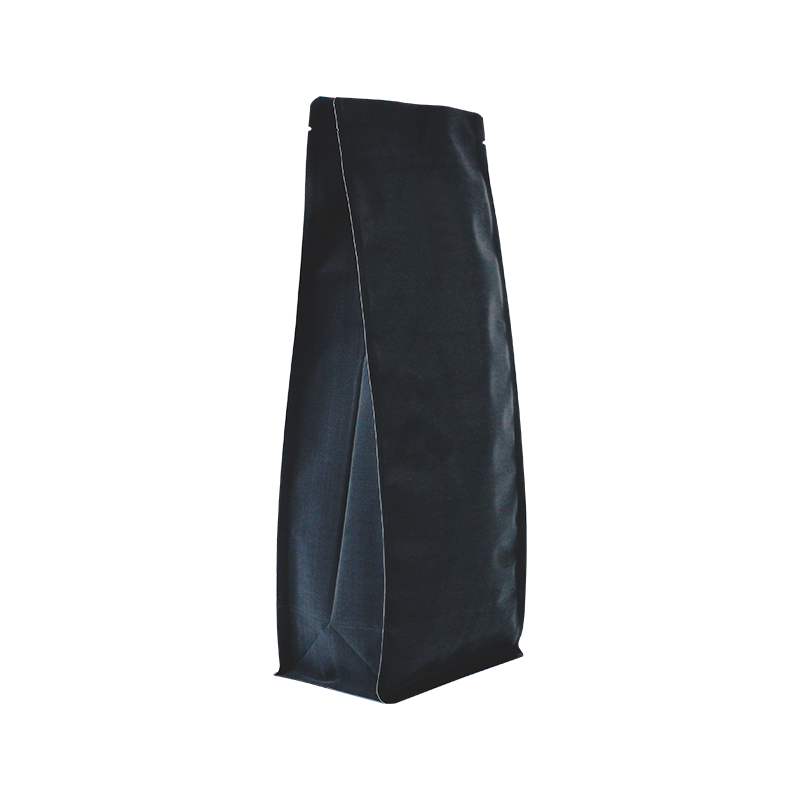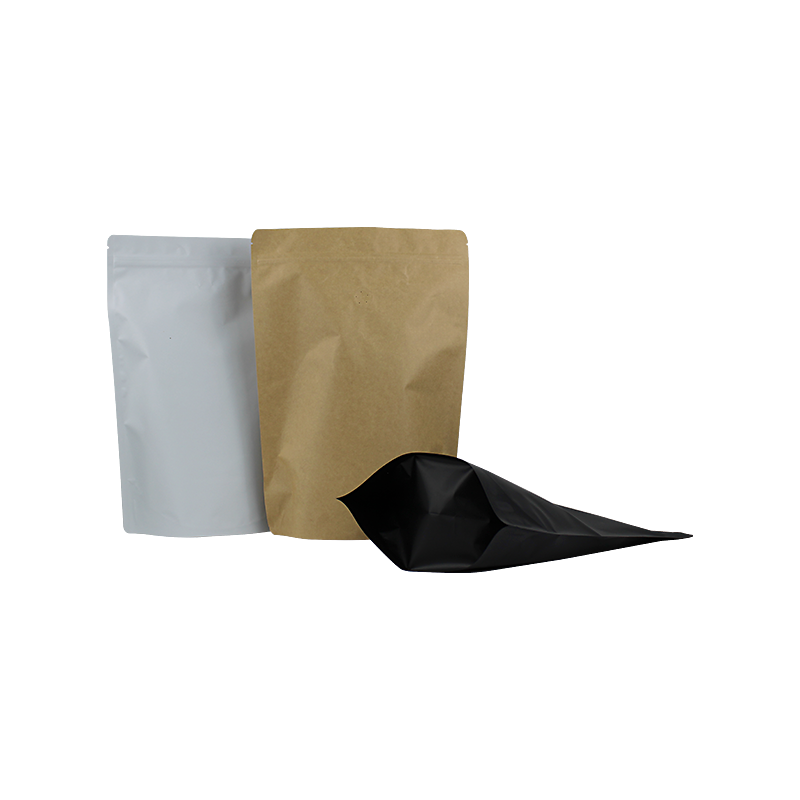
Ecuador's unique geography, from the Andean highlands to the coastal regions, creates a diverse environment for agricultural production. In the beverage sector, there is an increasing shift toward high-value retail. To compete in international markets, local producers are adopting advanced pouch packaging that ensures oxygen and moisture barriers, preventing the degradation of delicate oils in specialty beans. The logistical journey from the farm to the port requires durable materials that withstand humidity and temperature fluctuations.
Modern consumer behavior in urban centers like Quito and Guayaquil shows a rising demand for convenience. This has led to a surge in the popularity of drip coffee bag formats, allowing consumers to enjoy gourmet experiences without professional equipment. For tea and herb producers, the focus is on maintaining purity and scent, driving the need for specialized coffee tea bags that offer precise filtration and zero leakage, catering to both domestic consumption and the luxury export market.
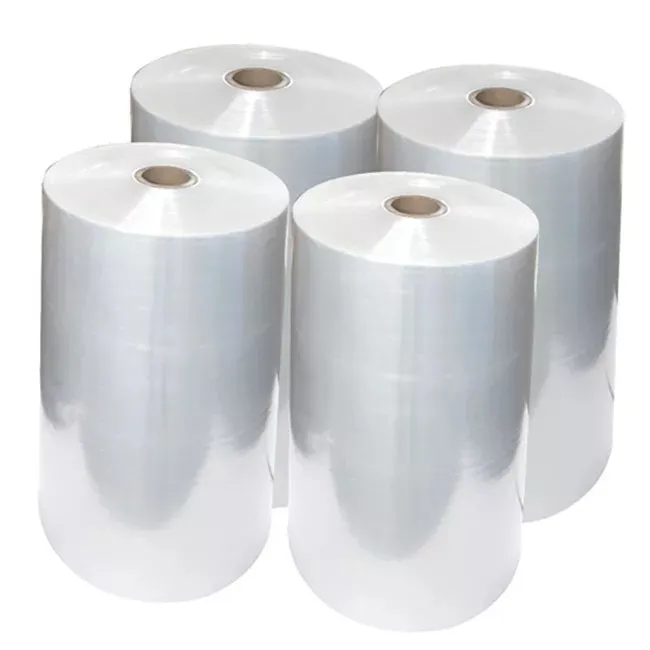
From an industry perspective, the transition toward a circular economy is becoming a priority for Ecuadorian manufacturers. There is a clear trend toward reducing single-use plastics in favor of recyclable composites. Enterprises are now evaluating the long-term value of compostable films and PCR (Post-Consumer Recycled) materials. By upgrading to sustainable coffee and tea bags, brands can align their operational goals with global environmental standards, increasing their attractiveness to eco-conscious European and North American buyers.