
Regional Analysis
The Landscape of Packaging in Egypt
Analyzing the intersection of consumer habits and industrial needs in North Africa.
Egypt's packaging sector is currently driven by a massive expansion in the processed food and beverage industries. As urban centers like Cairo and Giza grow, there is a significant shift toward convenience-oriented formats. The local market is characterized by a high demand for durable materials that can withstand long-distance transportation across the Nile Delta and Upper Egypt, where infrastructure varies. Consequently, manufacturers are moving away from simple plastics toward engineered multi-layer films that provide superior protection against oxidation and moisture.
Current trends indicate a surge in "premiumization" within the coffee and tea sectors. Egyptian consumers are increasingly adopting international specialty coffee habits, which has spiked the demand for coffee tea bags and specialized single-serve formats. Simultaneously, there is a strong movement toward "Green Egypt" initiatives, where businesses are actively seeking PCR (Post-Consumer Recycled) materials to reduce their carbon footprint and align with global sustainability standards, particularly for products destined for the EU market.
Despite the growth, the market faces constraints in high-end printing technology and sustainable material sourcing. Most local producers rely on basic designs, leaving a significant opportunity for brands that utilize high-fidelity 10-color printing and certified compostable materials. The outlook for the Egyptian market is one of transition: from purely functional containment to strategic packaging that serves as a primary brand communicator and a tool for environmental stewardship.
Industry Journey
The Evolution of Flexible Packaging
Tracing the shift from basic plastic bags to high-performance, sustainable pouches.
Early Phase
Basic Containment
Packaging focused solely on transport. Single-layer PE films were standard, providing minimal barrier protection and limited branding options for local Egyptian vendors.
Growth Phase
Multi-layer Adoption
Introduction of lamination to improve shelf life. Brands began using foil and PET layers to protect sensitive contents like coffee and snacks from the regional heat.
Current Phase
Sustainable Intelligence
The shift toward PCR content and compostable films. Focus has moved to circular economy principles without sacrificing high-speed production or barrier quality.
Shift to Specialty Formats
The rise of the "coffee culture" in urban Egypt has transitioned the market from bulk packaging to individual coffee and tea bags, requiring higher precision in bag-making machinery.
Barrier Technology Optimization
Evolution from standard lamination to solvent-free processes, which reduces VOC emissions and prevents chemical odors from leaching into food products, a critical factor for HACCP compliance.
Integration of Eco-Materials
The transition from 100% virgin plastic to composite materials and 30% PCR content, driven by the need to align with EU packaging directives for export-heavy industries.
Future Outlook
Defining the Next Generation of Packaging
How technological convergence is reshaping the flexible packaging industry.
Circular Economy Integration
A move toward 100% mono-material structures that are easier to recycle than traditional multi-material laminates, reducing waste in landfill sites across Egypt.
Smart Barrier Coatings
Implementation of nano-coatings that provide oxygen barriers equivalent to aluminum foil but allow the package to remain transparent and recyclable.
Hyper-Personalized Packaging
Utilizing high-speed digital integration to allow for smaller, more varied design runs, enabling brands to launch seasonal editions more frequently.
Bio-Based Polymer Adoption
The transition from petroleum-based PE to plant-derived polymers that offer identical performance but decompose naturally in industrial composting facilities.
The integration of these trends is not merely an aesthetic choice but a response to the tightening global regulations on plastic waste. In Egypt, as the government focuses on diversifying the economy and increasing exports, the ability to produce packaging that meets EU and US standards is becoming a critical competitive advantage. Companies that adopt 30% PCR content now will be better positioned to navigate future import taxes based on environmental impact.
Furthermore, the rise of e-commerce in the MENA region is redefining pouch requirements. We are seeing a shift toward "shipping-ready" pouches that combine the barrier properties of food packaging with the puncture resistance of shipping mailers. This convergence reduces the need for secondary outer packaging, further lowering the total environmental footprint of the supply chain.
Practical Application
Real-World Deployment Across Egypt
How our flexible packaging solves specific operational needs in different local contexts.
01
Cairo Specialty Coffee Roasters Using Drip Bags
In the bustling cafes of Cairo, roasters need to offer high-quality single-serve options. By implementing our drip coffee bag solutions, they eliminate the need for expensive brewing equipment for the end consumer while maintaining the volatile aromatics of the roast through our high-barrier films, resulting in a consistent taste profile across various humidity levels.
02
Alexandria Seafood Exporters Using High-Barrier Pouches
Exporters in Alexandria facing strict EU food safety laws require packaging that prevents oxygen ingress. We deploy multi-layer pouch structures with FDA-approved materials. This prevents lipid oxidation in frozen seafood products, extending shelf life for sea freight and ensuring that the products arrive in Europe without sensory degradation.
03
Delta Region Snack Producers Implementing PCR Films
Medium-sized snack factories in the Nile Delta are transitioning to sustainable branding. By switching to our 30% PCR content PE film, these producers reduce their reliance on virgin plastics. The result is a package that maintains the crispness of the product through moisture barriers while appealing to the growing segment of eco-conscious Egyptian youth.
04
Luxor and Aswan Tourism Souvenir Packaging
Local producers of dates and traditional sweets in Upper Egypt need packaging that is lightweight for tourists but durable for long flights. We provide customized paper carrier bags and pouches with high-tear resistance, ensuring that traditional products are presented professionally and survive the journey without leakage.
05
Pharmaceutical Grade Pouching for Cairo Medical Hubs
In the medical districts of Cairo, companies requiring sterile, chemical-resistant packaging for medical supplies use our ISO-certified flexible films. Our precise sealing technology prevents contamination, while the clear, high-strength materials allow for easy visual inspection of contents without compromising the sterile barrier.
Evidence of Impact
Representative Application Scenarios
How typical operators in the packaging sector evaluate our technical solutions.
For a premium coffee brand, the transition to precision-engineered drip bags was critical. By focusing on the filtration speed and the oxygen barrier of the outer pouch, the brand achieved a stable 12-month shelf life, allowing them to expand distribution from local cafes to national supermarket chains without losing flavor quality.
Integrating 30% PCR content into the snack packaging line helped a regional producer reduce their environmental footprint. The key was ensuring the seal strength remained identical to virgin PE, which was achieved through optimized heating parameters on the multifunctional pouch making machines.
Exporting food products to the EU requires strict HACCP and ISO compliance. Using FDA-approved raw materials and a transparent supply chain from film blowing to the finished bag allowed an Egyptian exporter to pass international audits and secure a long-term partnership with a European distributor.
Our Heritage
The BCPak Legacy of Excellence
Combining technical precision with a vision for a greener planet.
2010
Company Foundation
BCPak Ltd was established in Foshan City, Guangdong Province, China, with a mission to provide high-quality flexible packaging solutions. From the outset, we focused on integrating advanced production lines to serve global food and beverage brands.
2017
Green Packaging Initiative
Recognizing the global plastic crisis, we pivoted toward sustainability by manufacturing 100% recyclable and compostable packaging bags, helping clients worldwide transition to a circular economy model.
Present
PCR Innovation
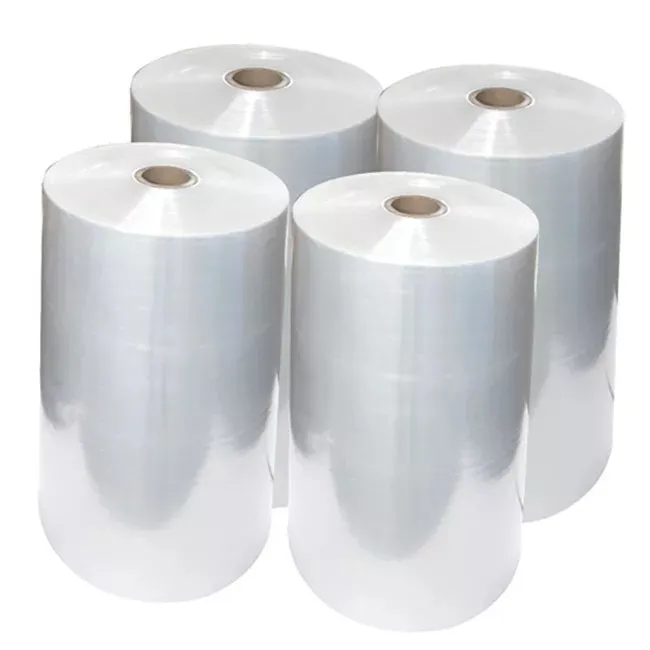
Today, we lead the market in promoting 30% PCR content PE films, combining over a decade of experience with cutting-edge film blowing via our subcompany CY Packaging to deliver the greenest possible high-barrier solutions.
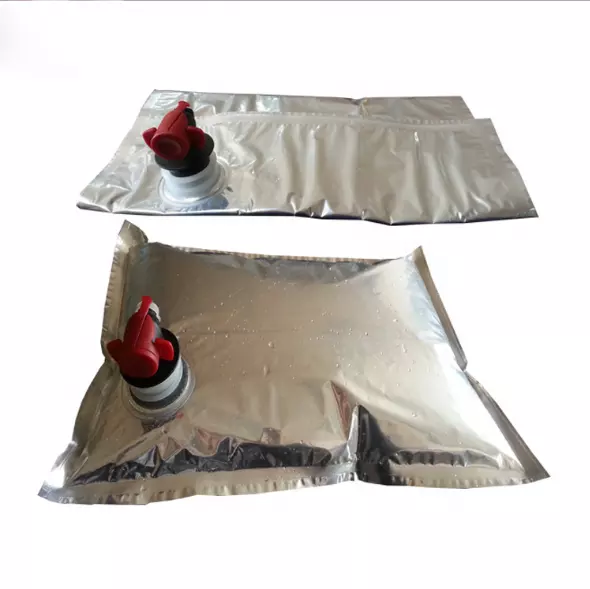
Wine Juice Fruit Storage Aseptic High Barrier Aluminum Foil Reusable Coffee Bags Pouch
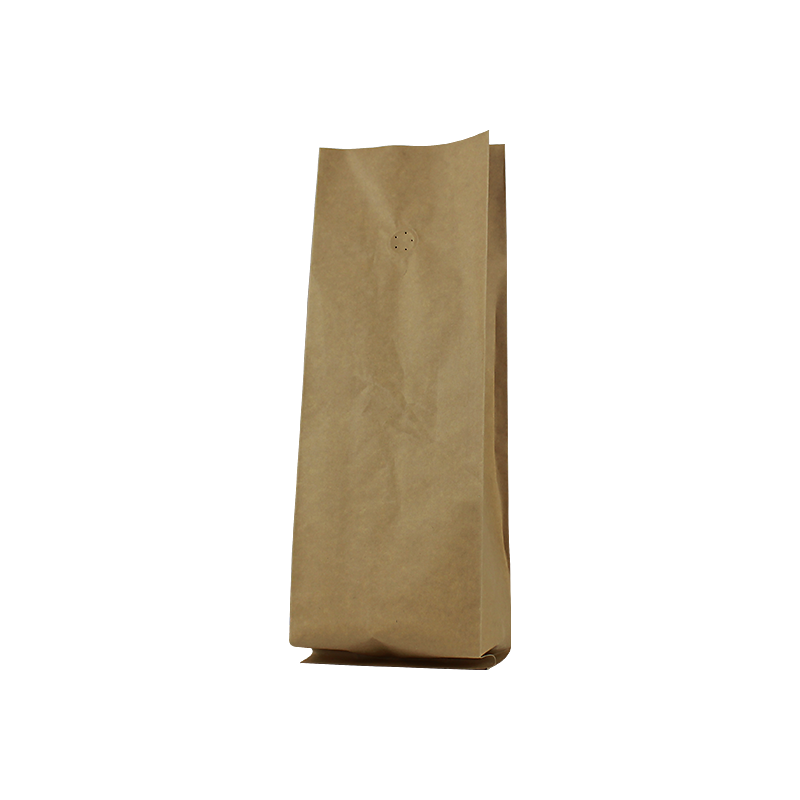
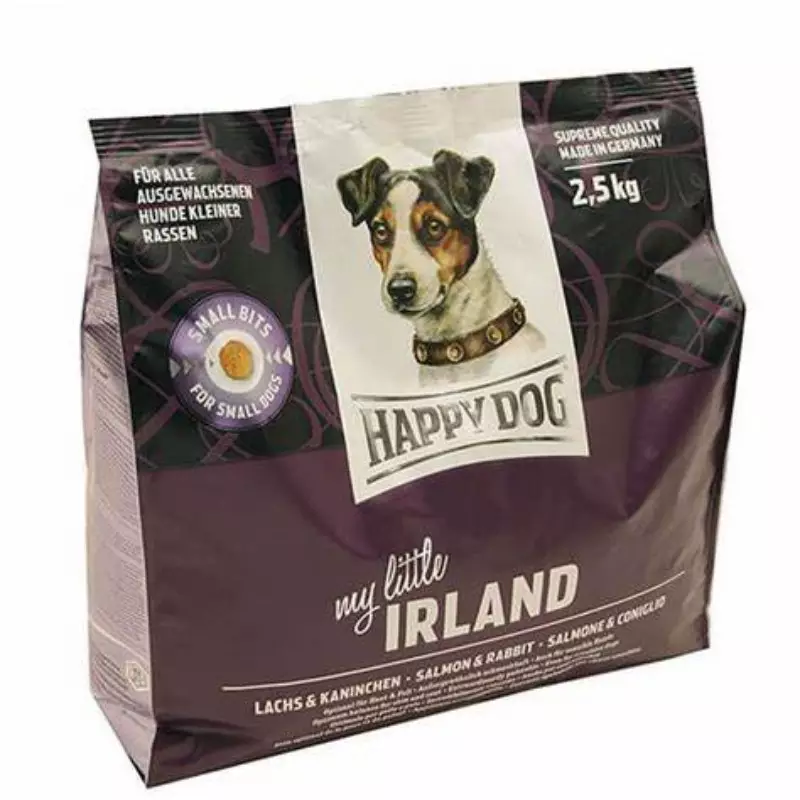
Side Gusset Pouch Packaging Bag
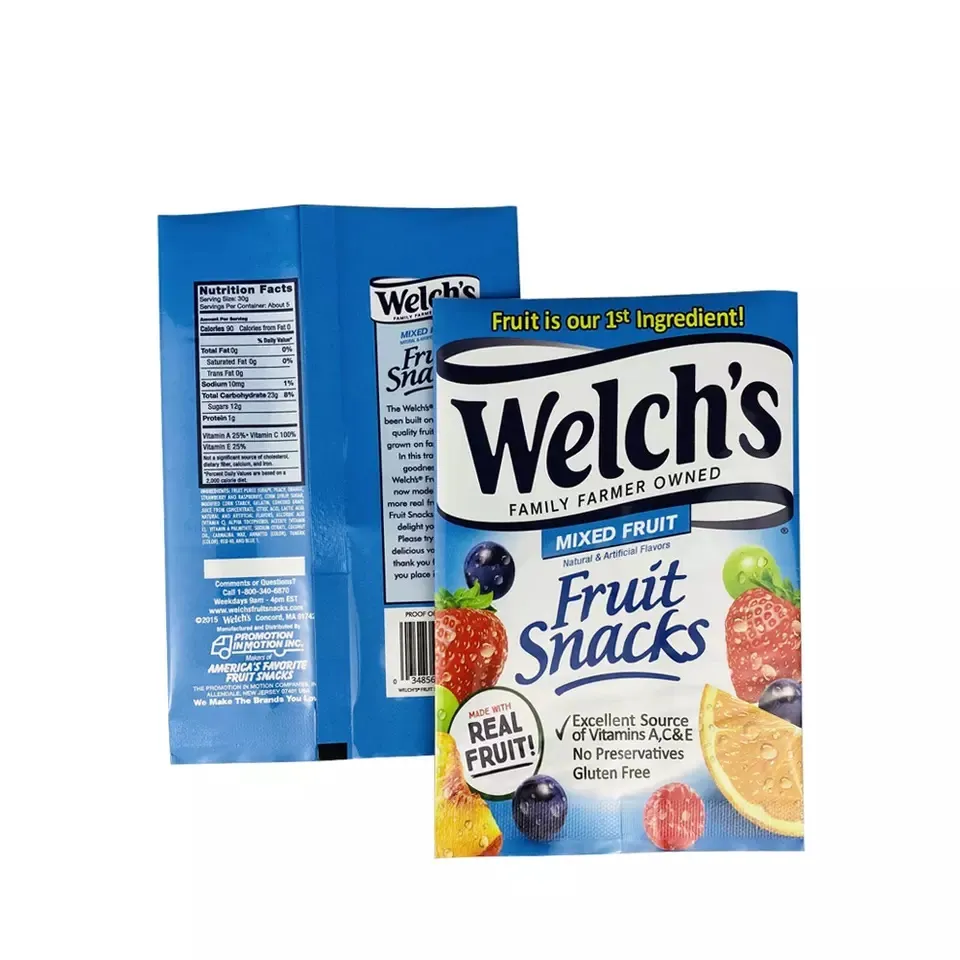
Customized Printing 3 Side Seal & Fin Seal Bags
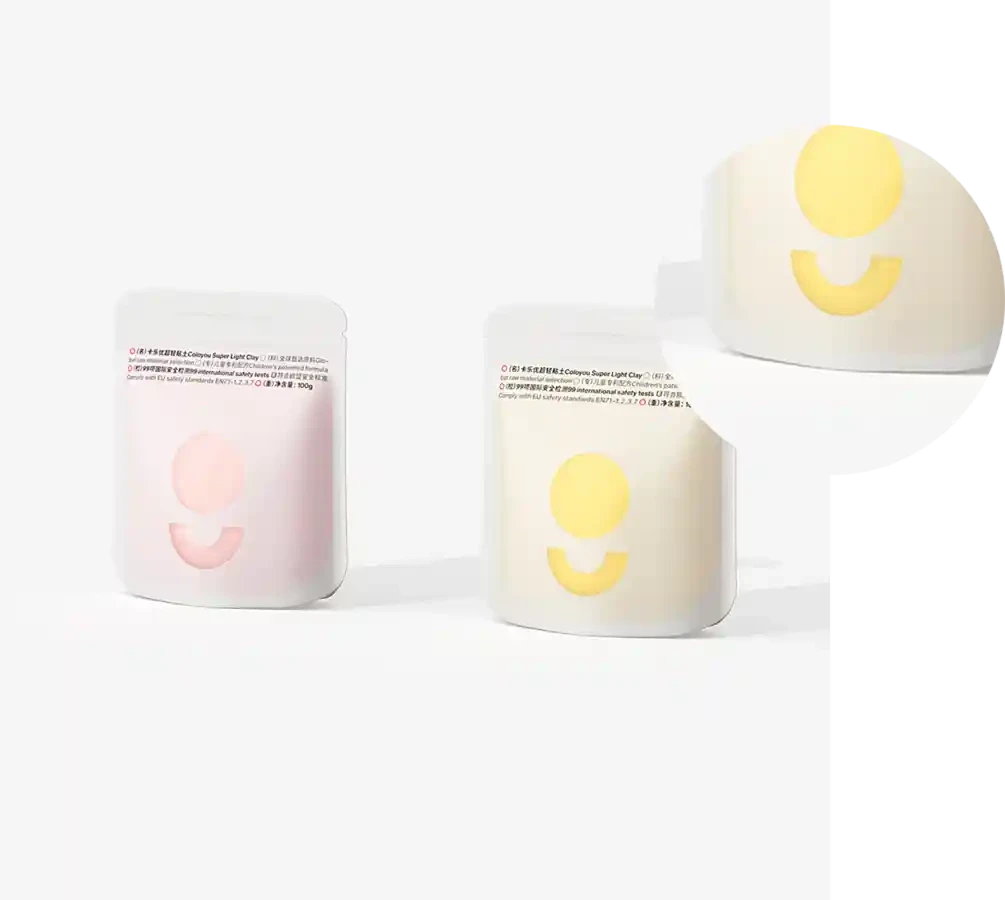
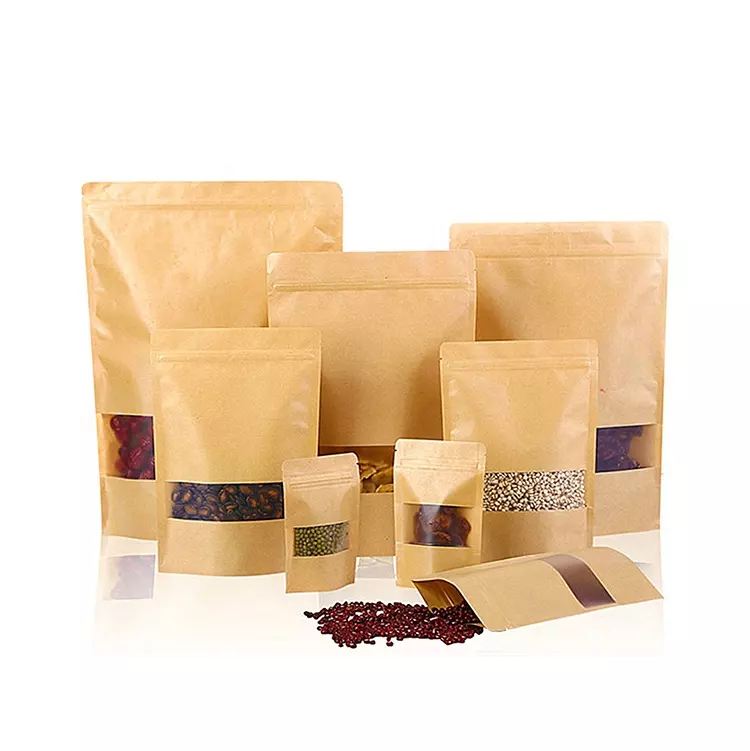
Kraft Stand Up Pouches
Expert Insights
Packaging Technical FAQ
Answers to the most common technical and commercial questions from our global partners.
What is the difference between compostable and recyclable packaging?
Recyclable packaging, such as our PE-based films, can be processed and turned back into raw materials through mechanical recycling. Compostable packaging is designed to break down into organic matter under specific industrial composting conditions. The choice depends on the waste management infrastructure available in your target region; for Egypt's current market, recyclable PE with PCR content often provides the best balance of performance and environmental impact.
How does PCR content affect the clarity and strength of a pouch?
While 100% PCR can sometimes result in a slight haze or color shift, our 30% PCR content PE film is engineered to maintain high transparency and tensile strength. We achieve this by blending high-quality recycled resins with virgin polymers and utilizing advanced film blowing techniques via our subcompany, CY Packaging, ensuring that the visual appeal and puncture resistance of the pouch remain professional and durable.
Can your packaging withstand the high humidity and heat of the Egyptian coast?
Yes. We use solvent-free lamination to create high-barrier structures specifically designed to resist moisture vapor transmission (MVTR) and oxygen transmission (OTR). For products in coastal cities like Alexandria, we recommend specific multi-layer combinations (e.g., PET/AL/PE) that provide an absolute barrier, preventing the "soggy" effect in snacks or the oxidation of oils in coffee and nuts.
What certifications do you provide to ensure food safety for export?
BCPak Ltd operates under ISO and HACCP certifications, which are the gold standards for food safety management. All raw materials used in our production are FDA and EU approved. This means we can provide the necessary documentation to prove that our packaging is non-toxic, migration-free, and safe for direct food contact, facilitating smooth customs clearance for Egyptian products entering international markets.
Do you accept custom designs for small-batch specialty coffee brands?
Yes, we accept custom orders for different designs, sizes, and materials. While we have high-speed 10-color printing lines for large volumes, our flexible production setup allows us to accommodate varied custom requirements. We work closely with brands to determine the optimal material structure (e.g., matte vs. glossy finish) and dimensions to ensure the pouch fits their filling machinery perfectly.
What is the best format for single-serve coffee in the Egyptian market?
The drip coffee bag is currently the fastest-growing format due to its convenience. It allows consumers to enjoy a pour-over experience without a machine. For the Egyptian market, we recommend a combination of a high-filtration inner bag and an outer high-barrier pouch. This ensures the coffee remains fresh in storage and provides a premium, modern experience during the brewing process.
Partner with BCPak
Ready to Elevate Your Product Packaging in Egypt?
Whether you are a specialty roaster in Cairo or a large-scale food exporter in Alexandria, our ISO-certified flexible packaging solutions can help you reduce waste, extend shelf life, and grow your brand. Discuss your specific material requirements and custom design needs with our engineering team today to secure a competitive edge in the North African market.
Discuss Your Requirements


