
Local Intelligence
The Peruvian Flexible Packaging Landscape
Analyzing the intersection of artisanal production and industrial export requirements in South America.
Peru possesses a globally recognized agricultural and beverage sector, particularly in specialty coffee and tea from the Andean highlands. The local market is characterized by a transition from bulk selling to value-added branded retail. As Peruvian producers target the luxury segments in Europe and Asia, the demand for high-performance packaging has shifted from simple containment to sophisticated barrier protection. The geography, ranging from humid coastlines to high-altitude mountains, necessitates packaging that can withstand diverse climatic stresses during domestic transit and international shipping.
Current market trends indicate a sharp rise in the adoption of "convenience formats." There is a growing preference for drip coffee bag systems and single-serve tea pouches, reflecting a change in consumer behavior toward on-the-go consumption. Furthermore, the Peruvian government's focus on reducing single-use plastics has accelerated the demand for biodegradable and PCR (Post-Consumer Recycled) materials. Brands are no longer viewing "green" packaging as a luxury, but as a prerequisite for market entry in urban centers like Lima and for export competitiveness.
The primary opportunity for Peruvian packaging lies in the professionalization of the supply chain. By integrating advanced printing and lamination technology, local producers can reduce their dependence on expensive local middlemen and source directly from certified manufacturers. The main constraint remains the balance between cost and sustainability; however, the transition toward recyclable mono-materials is proving to be the most viable long-term strategy. The outlook suggests a move toward "smart packaging" that incorporates better traceability and enhanced barrier properties to protect the unique flavor profiles of Peruvian crops.
Industry Progress
Evolution of Coffee & Tea Packaging
Tracking the shift from basic containment to scientific preservation and sustainability.
Early Adoption
Standard Barrier Era
Focus was primarily on moisture resistance using simple plastic laminates. Packaging was largely generic with limited branding and basic sealing mechanisms.
Recent Development
Specialized Functionality
Introduction of degassing valves and specialized coffee tea bags formats to maintain freshness and improve the user brewing experience.
Current Phase
Circular Economy Shift
Integration of 100% compostable materials and PCR content, combining high-barrier protection with zero-waste goals to satisfy global environmental standards.
From Bulk to Precision
The industry has moved away from oversized bags toward precise, right-sized pouch packaging. This evolution reduces material overhead and allows brands to offer a wider variety of SKU sizes for different market segments.
Chemical-Free Lamination
The transition from solvent-based to solvent-free lamination has reduced VOC emissions and improved food safety, ensuring that no harmful chemical residues migrate into the coffee or tea products.
Digital-Ready Design
Packaging is now designed with "digital-first" aesthetics, utilizing high-color density printing that translates perfectly from physical shelf to social media imagery, crucial for the modern D2C model.
Future Outlook
Emerging Trends in Flexible Packaging
Anticipating the next wave of technical and consumer-driven changes in the packaging industry.
Mono-Material Transition
Moving from complex multi-material laminates to high-barrier mono-materials to ensure 100% recyclability without compromising the product's shelf life.
PCR Content Integration
Integrating post-consumer recycled resins into PE films to reduce virgin plastic use, which is becoming a key requirement for global retail chains.
Single-Serve Dominance
The proliferation of coffee and tea bags as the primary format for urban professionals, driving demand for specialized drip-filter pouch technology.
Minimalist Branding
A shift toward matte finishes and minimalist designs that emphasize the "organic" and "natural" origin of the product, requiring higher-precision printing techniques.
The transition toward circularity is not merely a trend but a systemic requirement. In the Peruvian context, this means moving away from the traditional PET/AL/PE structures, which are nearly impossible to recycle, and adopting mono-PE or compostable PLA-based films. These new materials are engineered to provide equivalent oxygen transmission rates (OTR), ensuring that the delicate flavors of Arabica coffee are not lost over time. The technical challenge lies in maintaining heat-seal strength while using recycled content, a problem we solve through precise temperature control in our high-speed lamination and bag-making lines.
Additionally, the growth of the e-commerce sector in South America is redesigning the physical requirements of the pouch. Packaging must now survive the "last mile" of delivery without punctures or seal failures. This has led to the development of reinforced side-seals and thicker micron-grade films that offer higher puncture resistance. By combining this durability with 10-color high-definition printing, Peruvian brands can ensure that their product arrives in perfect condition and looks as premium as it does in a retail store, bridging the gap between artisanal quality and industrial scale.
Practical Application
Packaging Deployment in Peruvian Commerce
How our solutions solve real-world operational problems for different business models.
01
Artisanal Coffee Cooperative in Cusco
A cooperative exporting high-altitude beans needs to maintain freshness during long sea freight. By implementing our high-barrier pouch packaging with one-way degassing valves, they prevent CO2 buildup and oxidation. This ensures the coffee arrives in Europe with the same aromatic profile as it had at the origin, significantly increasing their wholesale price point.
02
Boutique Tea Brand in Lima
A luxury tea brand targeting urban professionals requires an eco-friendly image. We provide them with compostable coffee tea bags using plant-based films. This allows them to market a "zero-waste" product in high-end Lima malls, aligning their brand with the environmental values of their target demographic while maintaining the tea's delicate scent.
03
Snack Food Producer for Regional Export
A producer of Andean grains needs packaging that resists punctures and humidity. Using our custom-sized, reinforced PE pouches with 30% PCR content, they achieve a balance of durability and sustainability. The high-speed 10-color printing makes their products stand out on shelves in neighboring South American markets, increasing brand recognition.
04
Specialty Cafe Chain Expanding in Peru
A growing cafe chain wants to sell "at-home" brewing kits. We supply them with customized drip coffee bag outer pouches. These high-clarity, high-barrier pouches protect the pre-measured coffee from moisture, allowing the chain to expand their revenue stream through retail sales without compromising the quality of their signature brew.
05
Organic Superfood Exporter to North America
An exporter of organic maca and quinoa must pass strict FDA inspections. By using our FDA and EU approved raw materials and HACCP certified production process, the exporter eliminates the risk of contamination. The precise pouch dimensions reduce shipping volume, lowering logistical costs per unit and increasing the overall profit margin on US exports.
Operational Impact
Representative Implementation Scenarios
Illustrating the results achieved through professional flexible packaging integration.
By switching to high-barrier pouches with integrated degassing valves, a typical coffee exporter can extend the freshness of their beans from 3 months to nearly a year, allowing them to enter slower-moving retail markets in Asia without risking flavor degradation.
The adoption of 100% compostable tea bags allows boutique brands to eliminate plastic waste from their product line. This shift typically leads to increased consumer loyalty among eco-conscious urban demographics in major cities like Lima.
Implementing FDA-approved materials and ISO-certified production lines removes the technical barriers for South American producers, ensuring their goods pass customs in the US and EU without any regulatory delays.
Our Legacy
The BCPak Journey
A decade of commitment to flexible packaging innovation and environmental stewardship.
2010
Company Establishment
BCPak Ltd was established in Foshan City, Guangdong Province, China, with a focus on providing high-quality flexible packaging solutions for diverse industries.
2017
Sustainable Pivot
Driven by the mission to make the earth greener, BCPak began manufacturing 100% recyclable and compostable packaging bags, pioneering eco-friendly alternatives for global clients.
Present
Material Innovation
Today, we promote the use of 30% PCR content PE film and maintain advanced production lines, including 10-color high-speed printing and solvent-free lamination, serving over 20 countries.
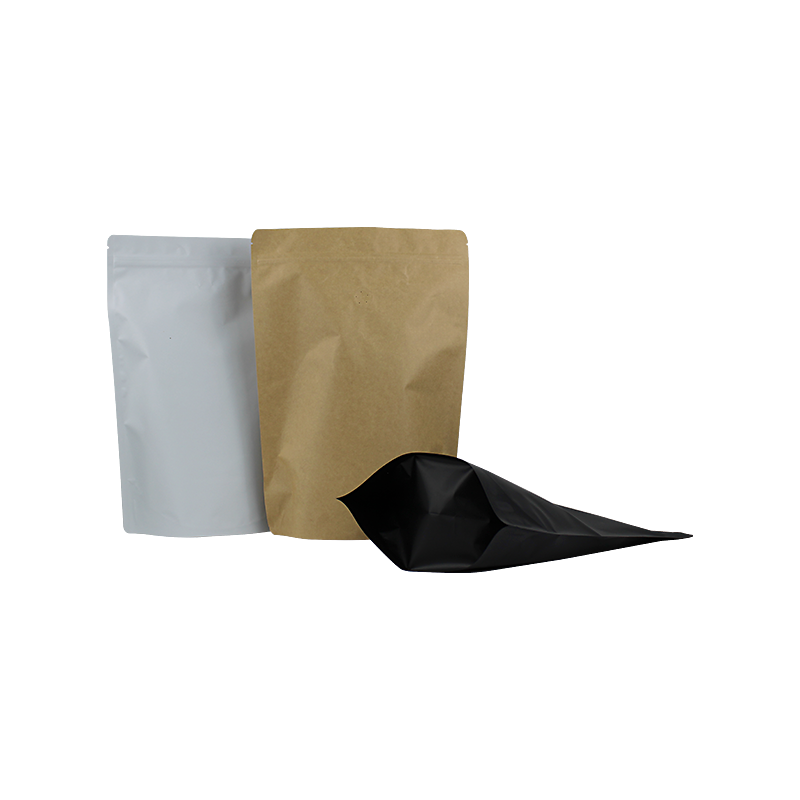
Tea/Snacks/Pet Food Stand Up Pouch Packaging Bag
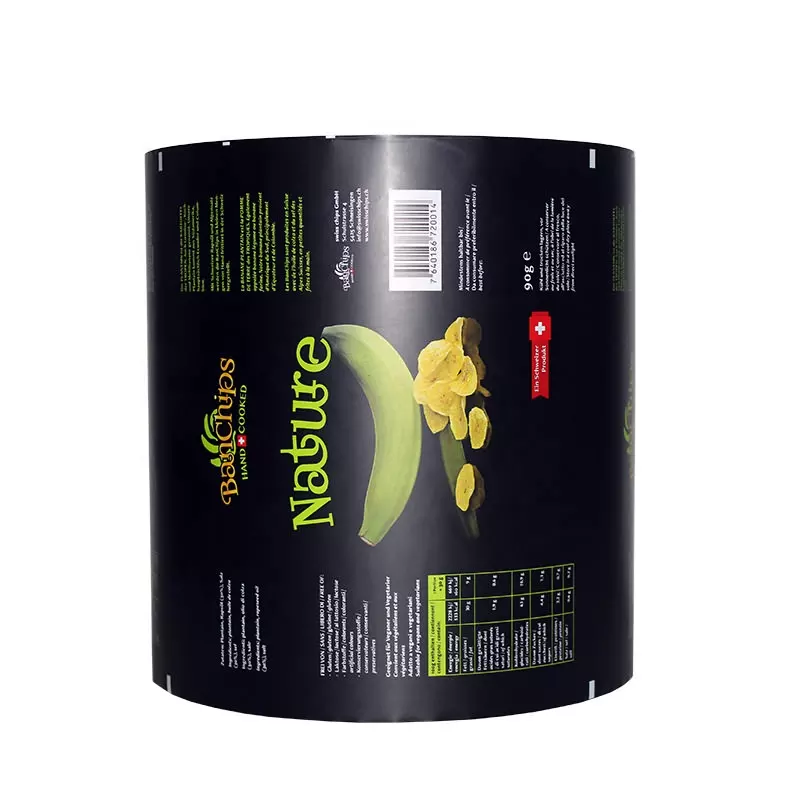
Easy Peel Roll Stock Film
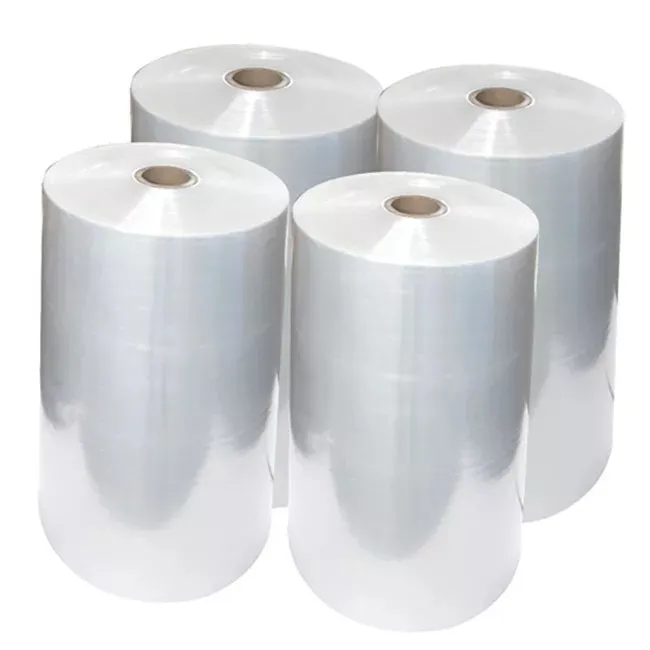
30%-75% PCR PE Film
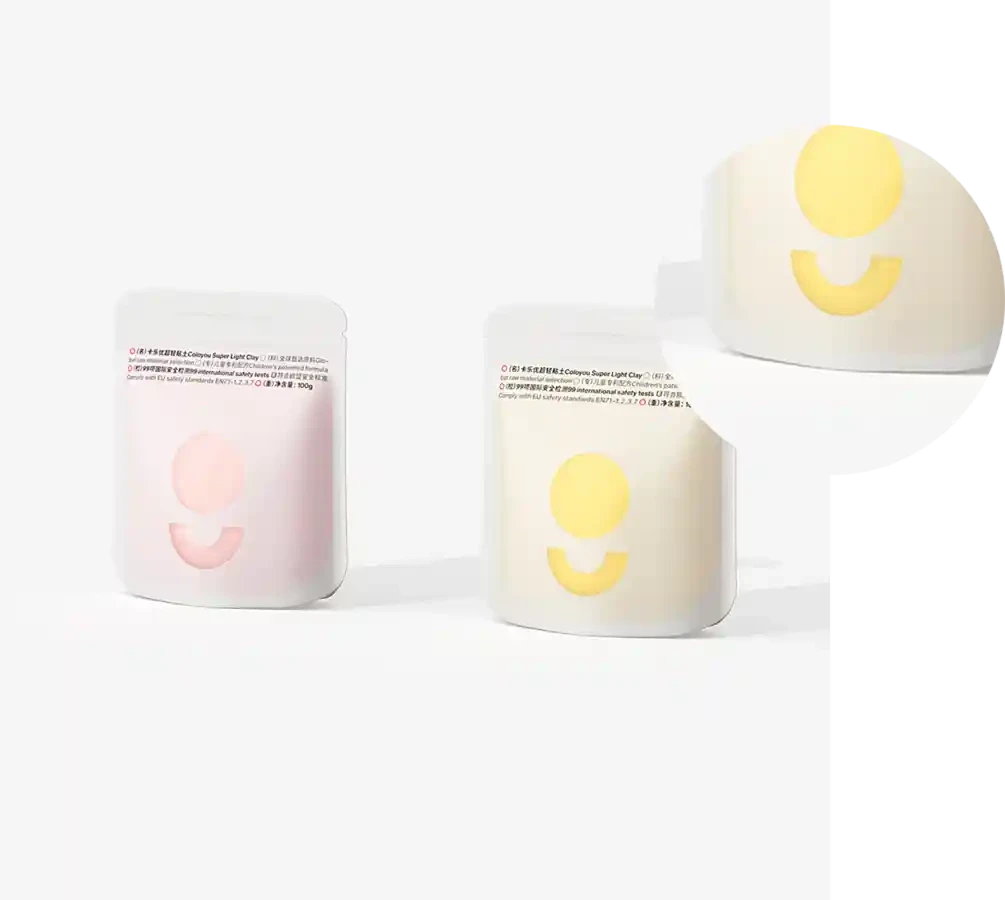
Kraft Stand Up Pouches
Knowledge Base
Packaging Expert Q&A
Direct answers to the most common technical and commercial questions from Peruvian producers.
What is the difference between recyclable and compostable pouch packaging?
Recyclable packaging, such as our mono-PE films, is designed to be processed through existing plastic recycling streams to create new materials. Compostable packaging is designed to break down into organic matter under specific composting conditions (industrial or home) without leaving toxic residues. For Peruvian brands, the choice depends on the available waste infrastructure in their target market; recyclable is often better for urban centers with established collection, while compostable is preferred for "natural" organic branding.
How does the PCR content affect the barrier properties of the packaging?
Our 30% PCR (Post-Consumer Recycled) content PE film is engineered to maintain structural integrity and barrier performance. While pure virgin PE provides the absolute highest barrier, the combination of 30% PCR with our advanced lamination technology ensures that there is no significant loss in oxygen or moisture protection for most food-grade applications. This allows brands to reduce their environmental footprint without compromising the shelf life of their products.
Can you customize the size of drip coffee bags for unique bean volumes?
Yes, we accept any custom order regarding dimensions, materials, and designs. Because we use multifunctional bag-making machines, we can adjust the width, gusset, and height of the pouch to perfectly fit your specific coffee bean density or tea leaf volume. This prevents the bag from looking underfilled or overstuffed, which improves the retail presentation and reduces material waste during the packing process.
What certifications do you provide to ensure the packaging is safe for EU/US export?
We provide packaging produced under ISO and HACCP certifications. Furthermore, all raw materials used in our production are FDA and EU approved. This means the films are food-safe and free from harmful migrants. For Peruvian exporters, this documentation is essential for passing sanitary inspections and customs audits in North America and Europe, ensuring that your shipment is not delayed or rejected due to packaging non-compliance.
How does the 10-color printing process benefit small-to-medium Peruvian brands?
The 10-color high-speed printing allows for much higher detail, smoother gradients, and more accurate brand colors than standard 4-color printing. For SMEs, this means their products can compete visually with global giants on the shelf. Whether you need metallic effects, matte finishes, or vivid imagery of the Peruvian Andes, our technology ensures that the packaging communicates premium quality before the customer even tastes the product.
What is the first step to start a custom packaging order for the Peru market?
The first step is to define your product requirements: material (e.g., compostable, PCR, or standard high-barrier), dimensions, and design. We recommend contacting us with your current product volume and target market. Our team will then provide material recommendations and a design proof. Once the specifications are confirmed, we can produce samples for your approval before moving to full-scale production on our high-speed lines.
Ready to Scale
Elevate Your Peruvian Brand with World-Class Packaging
Whether you are a specialty coffee grower in the highlands or a beverage distributor in Lima, BCPak provides the technical expertise and certified materials needed to protect your products and grow your market share. Discuss your specific requirements with our engineers today to find the perfect balance of barrier protection, sustainability, and cost-efficiency for your Peru-based operations.
Discuss Your Requirements


