
Local Market Analysis
The Flexible Packaging Landscape in Qatar
Understanding the intersection of luxury consumption and environmental regulation in the Gulf region.
Qatar's packaging market is characterized by a strong demand for high-end, aesthetically pleasing solutions that can withstand an arid, high-temperature climate. The food and beverage sector, particularly the gourmet coffee and specialty snack markets, relies heavily on flexible packaging to maintain freshness without utilizing bulky glass or metal containers. Because a significant portion of retail happens in climate-controlled malls and supermarkets, the initial "shelf appeal" is critical, while the transport phase requires extreme resilience against thermal fluctuations.
Current trends show a decisive shift toward "Eco-Luxury." Consumers in Doha and surrounding cities are increasingly conscious of plastic waste, leading to a surge in demand for compostable and recyclable materials. This is further driven by national initiatives aimed at environmental sustainability. Consequently, there is a growing transition from traditional multi-material laminates to mono-material PE films with high PCR (Post-Consumer Recycled) content, which offer a lower carbon footprint while maintaining the necessary protective barriers for food safety.
The primary opportunity for packaging providers in Qatar lies in the customization of pouch packaging for the growing "to-go" and home-brewing culture. As consumers move toward convenience, the need for specialized formats like single-serve drip bags and stand-up pouches with resealable zippers has increased. However, the constraint remains the strict adherence to FDA and EU food contact standards, making certified manufacturing a non-negotiable requirement for market entry and long-term partnership.
Industry Progression
The Evolution of Flexible Packaging Technology
From basic containment to intelligent, sustainable material science.
Early Phase
Basic Barrier Focus
Packaging focused primarily on preventing leaks and basic moisture protection using heavy plastics, with limited printing capabilities and high environmental impact.
Growth Phase
Multi-Layer Lamination
The introduction of high-barrier laminates and advanced printing, allowing for the preservation of volatile aromas in coffee and tea bags.
Modern Phase
Sustainable Circularity
The current shift toward PCR PE films, compostable materials, and solvent-free processes to achieve a circular economy without losing food safety.
The Rise of Mono-Materials
Historically, high barriers required combining different plastics (e.g., PET/AL/PE), which were impossible to recycle. The industry is now moving toward mono-material structures that provide similar oxygen barriers but can be processed in existing recycling streams.
Precision Micro-Dosing Formats
There is a significant trend toward ultra-precise packaging, such as the development of specialized paper carrier bags and filter-integrated pouches that cater to the "premium instant" coffee market.
Digital-First Visual Design
With the rise of e-commerce in Qatar, packaging is being redesigned for "unboxing" experiences. This includes the use of high-saturation 10-color printing to ensure the product looks vivid in digital photos and social media shares.
Future Outlook
Key Trends Shaping the Packaging Industry
Analyzing the technological and behavioral shifts driving the next generation of pouches.
PCR Film Integration
Integrating Post-Consumer Recycled (PCR) content into PE films is becoming a standard for brands aiming for carbon neutrality. This reduces reliance on virgin plastics while maintaining structural integrity.
Compostable Barrier Tech
The development of biodegradable films that can provide oxygen barriers comparable to aluminum foil is a major breakthrough, enabling a truly "zero-waste" end-of-life for food packaging.
Solvent-Free Lamination
Moving away from solvent-based adhesives reduces VOC emissions and eliminates the risk of residual solvent odors, which is critical for sensitive products like coffee and tea.
Smart Pouch Formats
Integrating QR codes and NFC tags into the packaging design allows brands to provide traceability and storytelling, connecting the Qatari consumer with the origin of the product.
The convergence of these trends indicates a market that no longer views packaging as a mere container, but as a critical component of the product's value proposition. For manufacturers, this means investing in multifunctional machinery that can handle diverse materials—from standard plastics to complex compostable films—without sacrificing production speed. The ability to offer a "Green" product line is no longer a competitive advantage but a baseline requirement for entering high-value markets like Qatar.
Furthermore, the focus on "Clean Label" packaging is increasing. This refers to the use of raw materials that are certified non-toxic and free from endocrine disruptors. By utilizing FDA and EU approved materials, manufacturers ensure that the packaging does not leach chemicals into the food, which is a growing concern among health-conscious consumers in the GCC region. This commitment to safety, combined with sustainable materials, defines the new industry standard for flexible packaging.
Application Contexts
Practical Packaging Deployments in Qatar
How tailored pouch solutions solve real-world operational challenges for local businesses.
01
Specialty Coffee Roasters in Doha
Local roasters require packaging that prevents the escape of aromatic oils while resisting the humid coastal air. By implementing high-barrier pouch packaging with one-way degassing valves, these businesses can maintain peak freshness from the roasting plant to the customer's cup, ensuring the "specialty" quality is preserved during the local distribution cycle.
02
Premium Dates & Nut Exporters
For exporters of luxury dates, the challenge is preventing moisture ingress and pest contamination during long-haul shipping. Utilizing custom-sized stand-up pouches with 10-color high-fidelity printing allows these brands to project a luxury image while providing a robust physical barrier that meets EU import standards for food safety and hygiene.
03
Boutique Tea Houses
Tea houses focusing on organic blends often seek a "natural" look without sacrificing protection. By using coffee tea bags with compostable filter membranes and recyclable outer pouches, these operators can align their packaging with their organic brand ethos, appealing to eco-conscious consumers in the urban Doha market.
04
Organic Snack Manufacturers
Companies producing dried fruits or granola in Qatar face the risk of product oxidation. Switching to 30% PCR PE films provides a sustainable alternative that still offers the necessary seal strength to prevent leaks, reducing product waste during the filling and sealing process on high-speed production lines.
05
Instant Beverage Startups
New entrants in the instant coffee market are leveraging the drip coffee bag format to target the busy professional demographic. These compact, precision-engineered pouches allow for easy distribution in corporate offices and airports, combining the convenience of instant coffee with the quality of a pour-over.
Industry Perspectives
Representative Deployment Scenarios
Illustrating the operational impact of professional packaging integration.
In a typical specialty coffee deployment, the transition from generic bags to high-barrier, custom-printed pouches leads to a measurable extension in shelf life. By optimizing the material thickness and seal strength, roasters can reduce oxygen ingress, ensuring that the delicate flavor profiles of high-altitude beans are preserved during the transport process across the Gulf.
For a food exporter targeting the EU market, the integration of HACCP and ISO certified packaging is essential. By utilizing FDA-approved materials and high-precision pouches, the operator eliminates the risk of contamination and ensures that the packaging meets all international safety regulations, facilitating smoother customs clearance and higher consumer trust.
When shifting to sustainable packaging, a common implementation pattern involves introducing 30% PCR content films. This allows a brand to market its environmental commitment without experiencing the seal failure or fragility often associated with low-quality compostable alternatives, maintaining a professional brand image while reducing the ecological footprint.
Our Heritage
BCPak Ltd: A Decade of Packaging Excellence
Driving innovation in flexible packaging from our roots in Foshan to a global presence.
2010
Company Establishment
BCPak Ltd was founded in Foshan City, Guangdong Province, China, with a core focus on delivering high-quality flexible packaging solutions for diverse industrial applications.
2017
Sustainable Packaging Launch
In response to global environmental shifts, the company began manufacturing 100% recyclable and compostable packaging bags, committing to a "GREENER" earth mission.
Present
Global Expansion & PCR Innovation
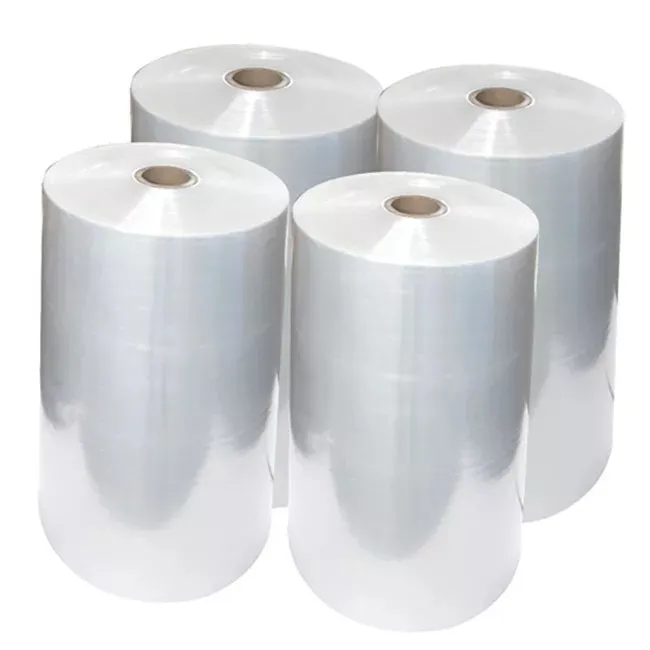
Today, BCPak exports to over 20 countries, including the US, UK, and Middle East, while promoting cutting-edge 30% PCR content PE films to the global market.
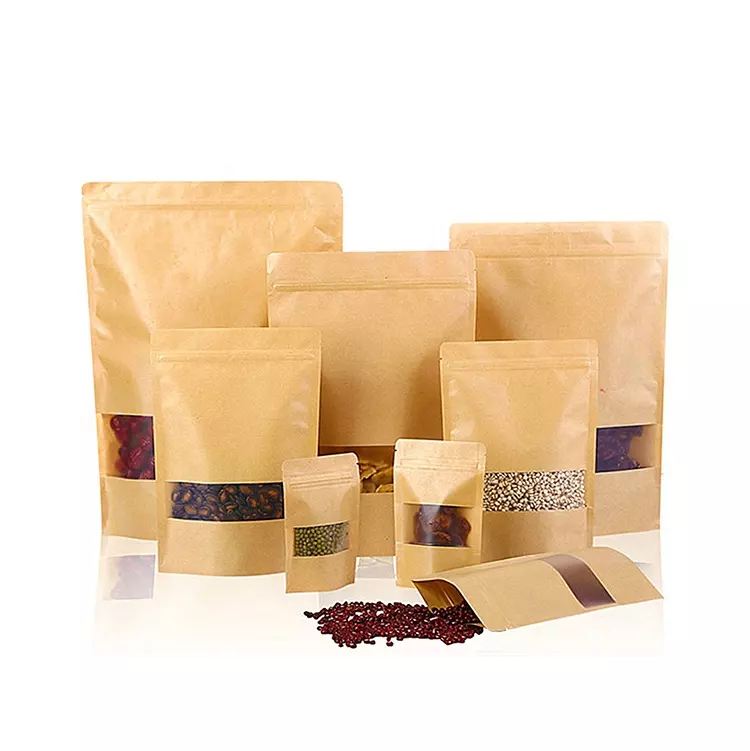
Biodegradable Pouch Bags Eco Friendly Ziplock Stand Up Food Packaging Compostable Coffee Bags
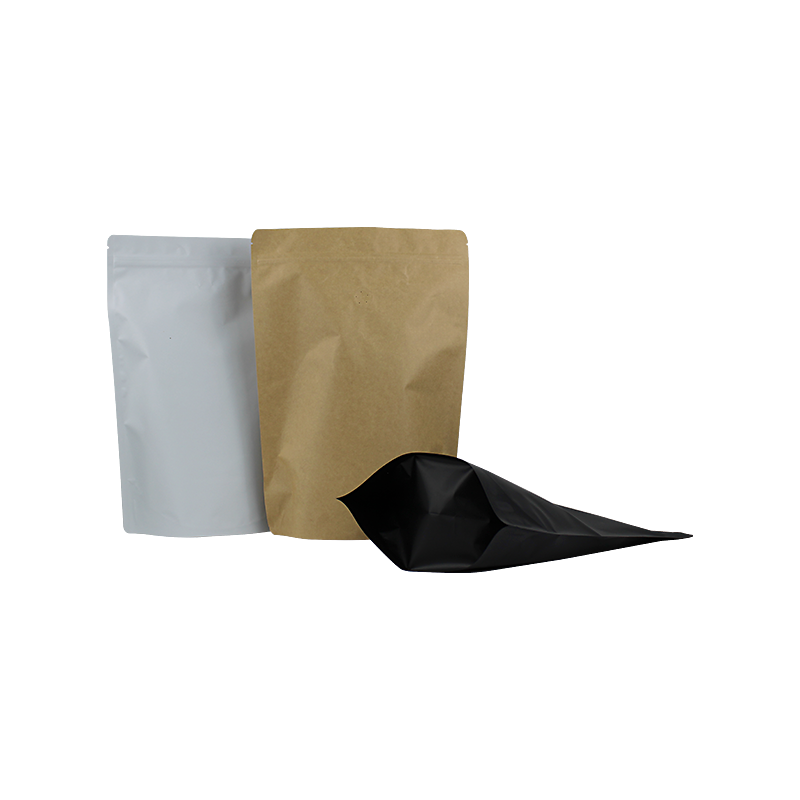
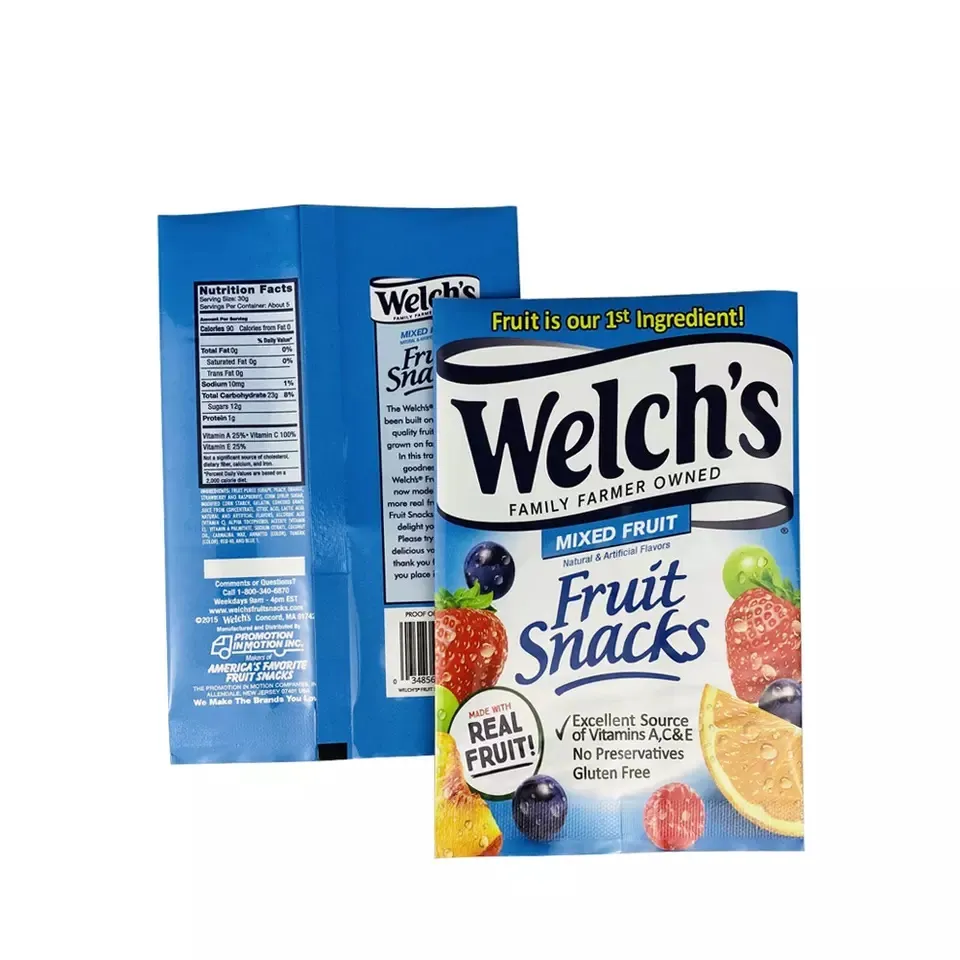
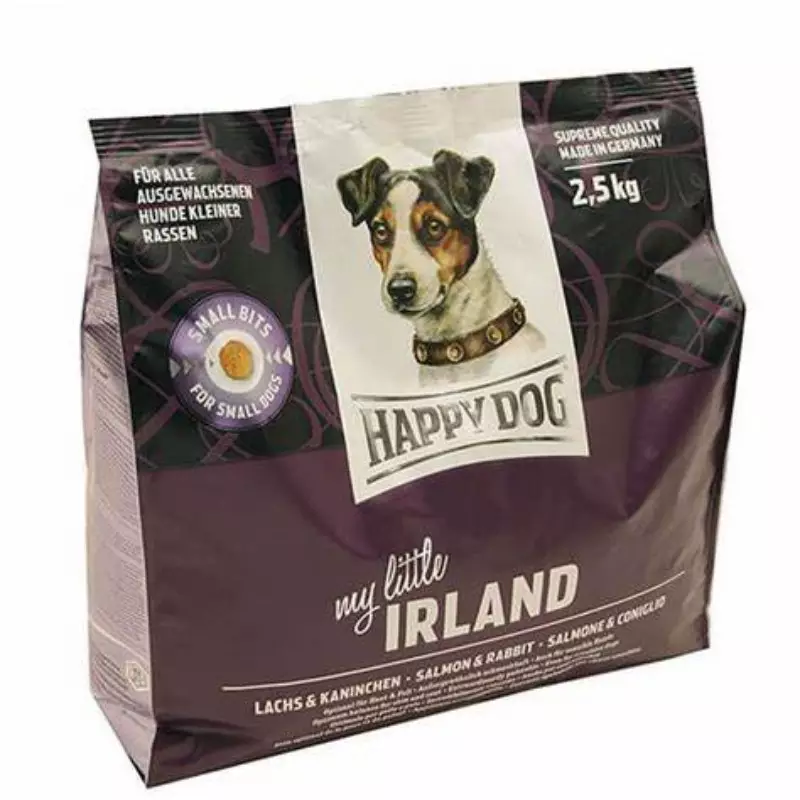
Tea/Snacks/Pet Food Stand Up Pouch Packaging Bag
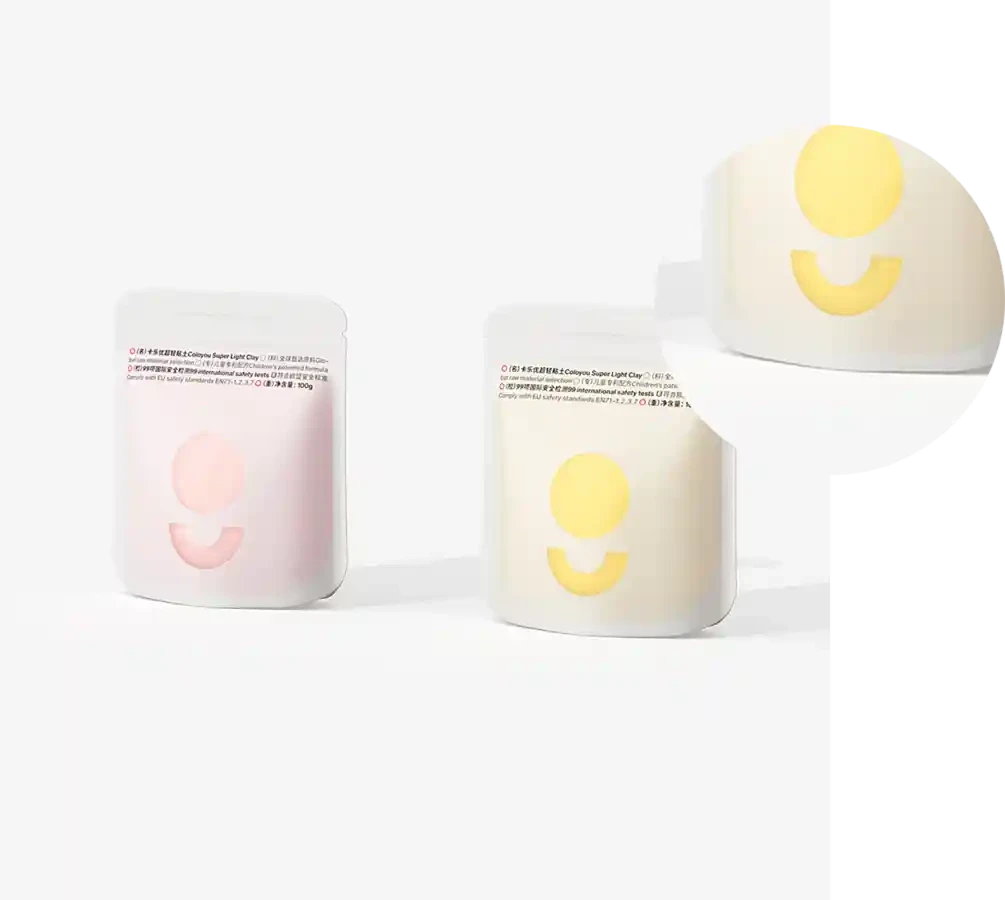
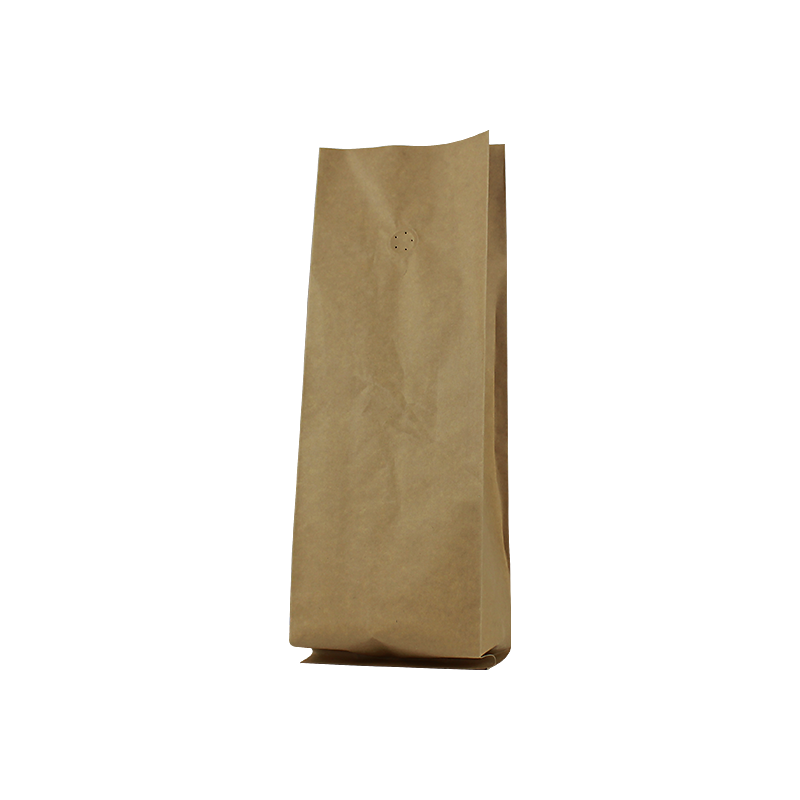
Kraft Stand Up Pouches
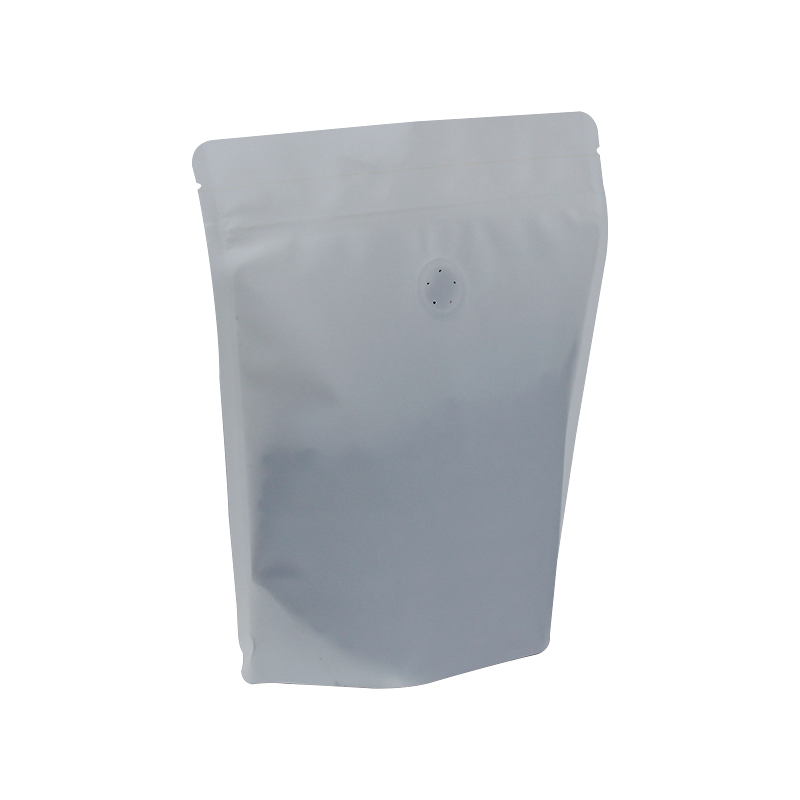
100% Recyclable Stand Up Pouch
Knowledge Base
Flexible Packaging Frequently Asked Questions
Expert answers to the most common technical and commercial queries.
What materials are best for preserving coffee aroma in Qatar's climate?
For high-temperature environments like Qatar, a multi-layer laminate structure is recommended. This typically includes a high-barrier layer (such as aluminum or a high-performance polymer) and a food-grade PE inner seal. Such a combination prevents oxygen and moisture ingress, which are the primary causes of coffee oxidation. When paired with a one-way degassing valve, it allows CO2 to escape while keeping the aroma trapped inside, ensuring long-term freshness.
How does 30% PCR content PE film compare to virgin plastic in terms of strength?
The 30% PCR (Post-Consumer Recycled) content film is engineered to maintain structural integrity comparable to virgin PE. Through advanced blending and filtration processes, we ensure that the recycled content does not introduce impurities or weak points in the film. In practical application, this means the pouch retains its puncture resistance and seal strength, allowing it to be used on automatic packaging lines without increasing the rate of failures or leaks.
Can you provide customized sizes for specialized drip coffee bags?
Yes, we accept any custom order regardless of the specific design, size, or material requirements. Our multifunctional bag-making machines are designed for high flexibility, allowing us to produce tailored dimensions for drip coffee bags that fit your specific filter size and brewing equipment. We provide customized prototypes to ensure the fit and function are perfect before proceeding to full-scale production.
What certifications do your materials have for food safety?
All raw materials used in our production are FDA and EU approved, ensuring they are safe for direct food contact. Furthermore, our company has obtained ISO and HACCP certificates, which verify that our manufacturing processes meet international standards for food safety management. This ensures that your packaging is compliant with both local Qatari regulations and international standards if you intend to export your products.
Is solvent-free lamination better for food products than solvent-based?
Solvent-free lamination is generally superior for food products because it eliminates the use of volatile organic compounds (VOCs). In solvent-based processes, there is a risk of residual solvents remaining in the laminate, which can migrate into the food and affect the taste or smell, particularly in sensitive products like tea and coffee. Solvent-free technology provides a cleaner, more environmentally friendly bond that preserves the pure flavor of the contents.
How should I choose between compostable and recyclable pouches?
The choice depends on your target consumer's disposal habits and the product's shelf-life requirements. Compostable pouches are ideal for short-to-medium shelf-life products and consumers who have access to industrial composting. Recyclable pouches (especially mono-material PE) are better for long-term storage and products where the existing plastic recycling infrastructure in Qatar is the primary disposal route. We recommend a consultation to analyze your product's barrier needs and the local waste management context.
Ready to Upgrade
Optimize Your Product Protection in Qatar
Whether you are a specialty coffee roaster in Doha or a food exporter seeking EU compliance, our technical team can design the perfect pouch for your needs. From sustainable PCR films to high-precision drip coffee bags, we provide the materials that protect your product and elevate your brand. Discuss your specific requirements with our experts today to ensure your packaging is fit for the Qatari market.
Discuss Your Requirements


