
Local Insights
The Flexible Packaging Landscape in Slovakia
Analyzing the transition from traditional containers to high-performance flexible pouches.
The Slovakian manufacturing sector for non-metallic mineral products and plastic packaging has seen a steady shift toward specialization. Local coffee roasters and tea blenders are increasingly moving away from bulk packaging toward retail-ready, high-barrier pouches. The geographical position of Slovakia as a logistics hub in Central Europe necessitates packaging that can withstand varied transportation conditions while maintaining strict hygiene and product stability standards. This market is characterized by a strong emphasis on precision and a growing preference for integrated supply chains that reduce the risk of material inconsistency.
Current trends in the region are heavily driven by the European Green Deal, pushing companies toward circular economy models. We see a significant increase in demand for mono-material structures that are easier to recycle compared to traditional PET/AL/PE laminates. Additionally, the rise of "convenience culture" has spurred interest in specialized formats such as coffee tea bags and single-serve drip options. This shift is not merely aesthetic; it is a technical response to changing consumer behaviors who prioritize portability and precise dosing without compromising on the luxury experience.
The outlook for the Slovakian packaging market suggests a convergence of sustainability and smart design. While the transition to 100% compostable materials presents technical challenges regarding barrier properties, the adoption of PCR (Post-Consumer Recycled) content is becoming a competitive necessity. Companies that can offer custom-built production lines and bespoke packing solutions will likely dominate. The opportunity lies in bridging the gap between industrial-grade protection and eco-friendly materials, ensuring that the "Green" transition does not result in increased food waste due to packaging failure.
Industry Journey
The Evolution of Flexible Packaging Technology
From basic containment to advanced material science and sustainable engineering.
Early Phase
Basic Barrier Adoption
Packaging focused primarily on physical containment. Basic plastic films provided minimal protection, requiring secondary packaging for long-term storage of coffee and tea.
Growth Phase
Multi-layer Lamination
Introduction of high-barrier foil and solvent-free lamination. This allowed for the emergence of professional paper carrier bags and high-performance pouches.
Current Phase
Sustainable Innovation
Shift toward PCR materials and compostable structures. Modern packaging now balances extreme barrier performance with a commitment to a greener earth.
Material Science Optimization
The industry has moved from simply adding layers to engineering the molecular structure of films. This ensures that pouches are thinner yet stronger, reducing material waste while improving the seal strength required for automated packing lines.
Digital Print Integration
While high-speed 10-color printing remains the standard for volume, the integration of digital assets allows for faster prototyping. This enables brands to test seasonal designs for pouch packaging before committing to large runs.
Circular Economy Logistics
The focus has shifted from "recyclable" to "actually recycled." This involves creating materials like PCR PE that can be reintegrated into the production cycle without losing the mechanical properties needed for flexible packaging.
Future Outlook
Emerging Directions in Global Packaging
How technological breakthroughs are redefining the relationship between brands and consumers.
Eco-Polymer Transition
The adoption of bio-based resins is accelerating. These materials aim to replace petroleum-based plastics entirely, reducing the environmental load while maintaining the high-barrier properties essential for coffee and tea.
Smart Packaging Integration
Integration of QR codes and NFC tags is transforming pouches into communication tools. This allows Slovakian consumers to trace the origin of their coffee beans or tea leaves directly from the packaging.
Hyper-Customization
A shift toward smaller, more frequent product launches. This requires manufacturers to offer flexible MOQs and rapid turnaround times for various sizes and material compositions to suit niche markets.
Minimalist Functionalism
Design is moving toward "less is more." This involves using transparent windows to showcase product quality and utilizing matte finishes to convey a premium, natural feel that appeals to modern consumers.
The overarching driver of these trends is the intersection of regulatory pressure and consumer consciousness. In Europe, the transition to a circular economy is no longer optional. This means that the technical challenge for manufacturers is to maintain the "barrier" (keeping oxygen out) while ensuring "breakdown" (allowing the material to be recycled or composted). The use of 30% PCR PE film is a practical step in this direction, providing a balance between virgin plastic performance and recycled content.
Furthermore, the operational result of these trends is a move toward integrated manufacturing. By controlling the process from film blowing to final pouch conversion, companies can ensure that the eco-friendly materials are processed using the correct temperatures and pressures to prevent seal failure. This holistic approach to production is what allows for the creation of high-quality drip coffee bag products that meet both performance and sustainability criteria.
Practical Applications
Flexible Packaging in Action Across Slovakia
Real-world implementation of advanced packaging solutions for diverse commercial needs.
01
Bratislava Artisanal Coffee Roasters
A specialty roaster in the capital requires packaging that preserves delicate Ethiopian Yirgacheffe notes. By implementing high-barrier pouches with one-way degassing valves, they prevent CO2 buildup while blocking oxygen, extending the peak freshness of the roast for retail sale in urban cafes.
02
High-Volume Tea Exporters in Košice
Exporting traditional herbal teas to Western Europe requires compliance with multiple national regulations. Using EU-approved, HACCP-certified materials ensures seamless customs clearance and provides the durability needed for long-distance shipping without compromising the tea's aromatic properties.
03
Organic Snack Producers in the Tatras Region
A producer of organic dried fruits seeks to align their packaging with their "natural" brand image. By adopting 100% recyclable pouch structures with a matte finish, they meet consumer expectations for sustainability while maintaining a moisture barrier that prevents the snacks from clumping.
04
Corporate Gifting Services for Slovakian Firms
Premium gift hampers require visually striking packaging. Utilizing 10-color high-speed printing, we create custom-designed paper carrier bags and pouches that serve as both a protective vessel and a marketing tool for high-end corporate branding.
05
Hotel and Hospitality Groups in Slovakian Resorts
Luxury hotels provide in-room coffee services using drip coffee bag formats. Our high-precision pouch making ensures that each bag is perfectly sealed, providing guests with a consistent, high-quality brewing experience without the need for expensive machinery.
Client Perspectives
Representative Implementation Success
Illustrative scenarios showing how our packaging solutions solve common industry pain points.
Integrating high-barrier pouches significantly reduced our product spoilage rates. The transition to EU-approved materials streamlined our export process to neighboring EU countries, ensuring no delays at borders due to packaging non-compliance.
The move to 30% PCR content PE film allowed us to meet our corporate sustainability targets without sacrificing the strength of the seal. The visual quality of the 10-color print remains excellent, maintaining our premium brand positioning.
Switching to a vertically integrated supplier eliminated the coordination gaps we had between film sourcing and bag production. Lead times are more predictable, and the consistency in material thickness has improved our automated filling efficiency.
Our Heritage
BCPak: A Decade of Packaging Innovation
Committed to quality, sustainability, and technical precision in flexible packaging.
2010
Company Establishment
BCPak Ltd was founded in Foshan City, Guangdong Province, China, with a vision to provide high-quality flexible packaging solutions for global markets, focusing on durability and food safety.
2017
Green Initiative Launch
Driven by a mission to make the earth greener, the company began manufacturing 100% recyclable and compostable packaging bags, integrating environmental responsibility into the core production line.
Recent Development
PCR Material Integration
Expanded capabilities to include New environment-friendly materials, specifically promoting 30% PCR content PE film to reduce virgin plastic reliance while maintaining industrial performance.
Global Expansion
Export Network Growth
Successfully exported products to over 20 countries, including the US, Canada, UK, Germany, and the Netherlands, establishing long-term partnerships through custom-built production lines.
Operational Excellence
Vertical Integration with CY Packaging
Established the film blowing subcompany, CY Packaging, to better service customers by controlling the process from raw material selection to the finished packaging product.
Certification Achievement
ISO & HACCP Certification
Obtained critical ISO and HACCP certificates, ensuring that all production processes meet rigorous international standards for quality management and food safety.
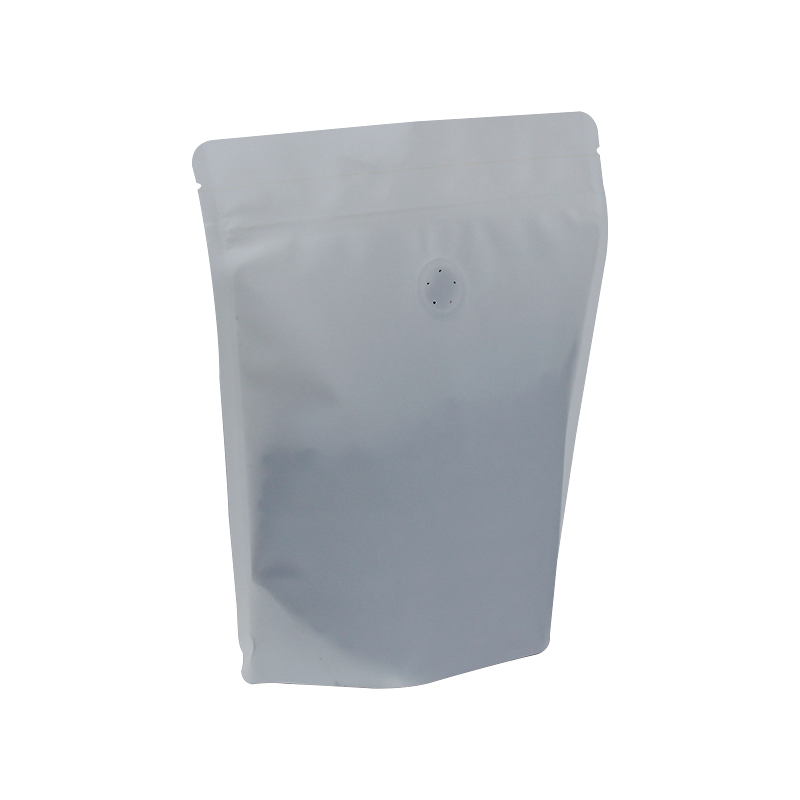
100% Recyclable Stand Up Pouch
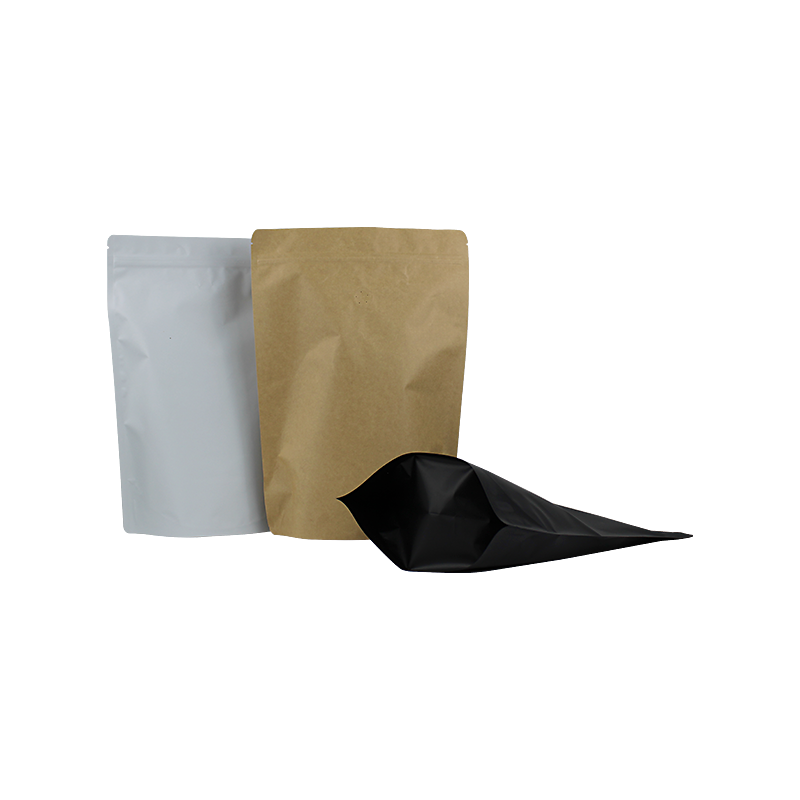
Tea/Snacks/Pet Food Stand Up Pouch Packaging Bag

100% Recyclable Stand Up Pouchs
Kraft Stand Up Pouches
Knowledge Base
Packaging Technical FAQ
Clear answers to common questions regarding flexible packaging and compliance in the EU market.
What is the difference between recyclable and compostable pouch packaging?
Recyclable packaging is designed to be processed and reused through existing waste management streams, such as PE-based films that can be melted down. Compostable packaging is designed to break down into organic matter under specific conditions (industrial or home composting) without leaving toxic residues. The choice depends on your local waste infrastructure in Slovakia and your brand's specific sustainability goals.
How do I ensure my packaging is compliant with EU food safety regulations?
Compliance requires using raw materials that are explicitly EU-approved for food contact. We provide materials that meet these standards and hold ISO and HACCP certifications. To ensure full compliance, manufacturers should request a Declaration of Compliance (DoC) from their supplier, which outlines the materials used and their safety certifications, ensuring they meet the legal requirements for the Slovakian and broader European markets.
Can PCR content PE film maintain the same barrier properties as virgin plastic?
Our 30% PCR content PE film is engineered to minimize the impact on mechanical and barrier properties. While extremely high percentages of recycled content can sometimes affect clarity or seal strength, a 30% blend typically maintains the necessary protection for most snack and dry food applications. For high-sensitivity products like premium coffee, we recommend a specific lamination structure that combines PCR layers with high-barrier virgin layers.
What are the advantages of using drip coffee bags for hotel hospitality?
Drip coffee bags offer a compromise between instant coffee and professional brewing. They provide a high-quality pour-over experience without requiring the hotel to install expensive machinery in every room. From a packaging perspective, they require a precise filter-to-pouch seal to prevent leakage and a high-barrier outer pouch to keep the pre-ground coffee fresh, making them a cost-effective way to elevate the guest experience.
How does vertical integration affect the lead time and quality of my order?
Vertical integration through our subcompany, CY Packaging, means we control the process from film blowing to the finished bag. This eliminates the need to wait for external material suppliers and reduces the risk of quality variance between different production stages. The result is a more streamlined lead time and a tighter quality control loop, as we can adjust the film properties in real-time to suit the specific requirements of the pouch-making machines.
What options are available for custom designs and sizes for pouch packaging?
We accept completely custom orders for different designs, sizes, and material structures. With our 10-color high-speed printing machines, we can execute complex brand graphics with high precision. Whether you need stand-up pouches, flat-bottom bags, or specialized coffee and tea bags, we can customize the dimensions and the laminate structure (e.g., adding aluminum layers for higher barriers or using PCR films for sustainability).
Get Started
Ready to Elevate Your Product Packaging in Slovakia?
Whether you are a specialty coffee roaster in Bratislava or a large-scale food producer in Košice, BCPak provides the technical expertise and certified materials needed to succeed. Discuss your specific barrier requirements and sustainability goals with our engineering team today to find the optimal packaging structure for your brand.
Discuss Your Requirements


