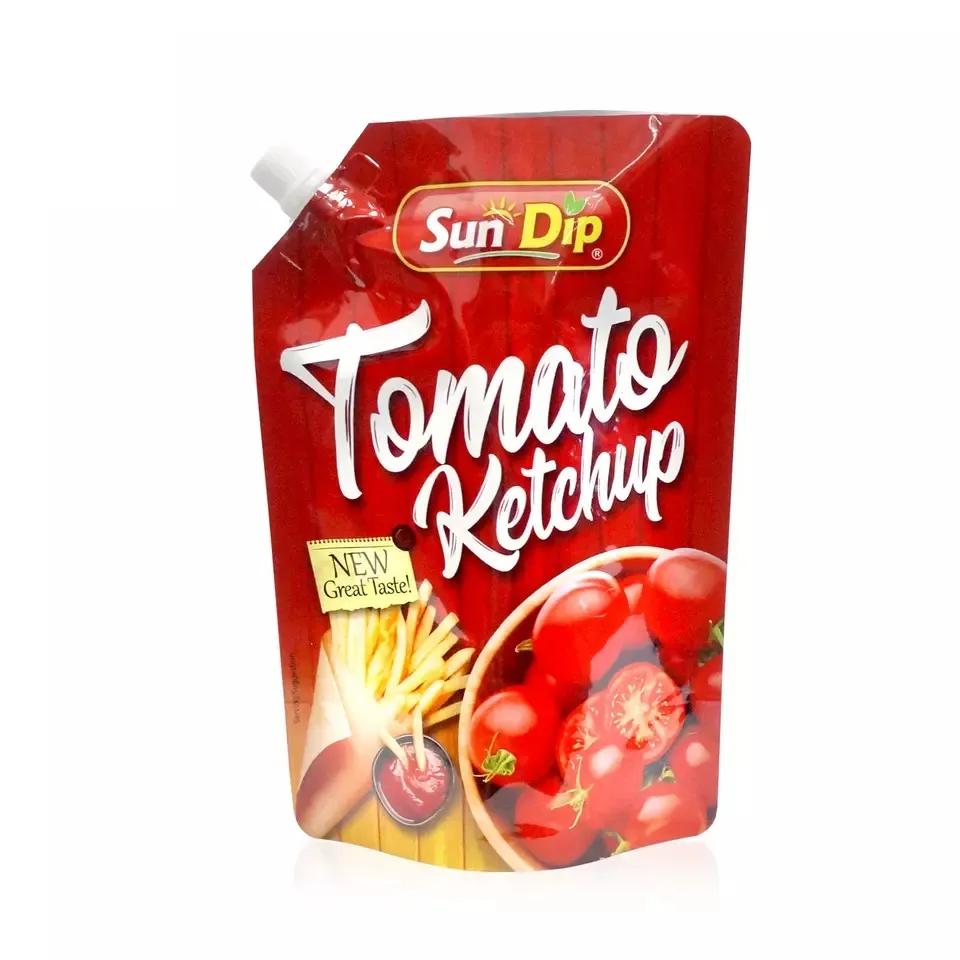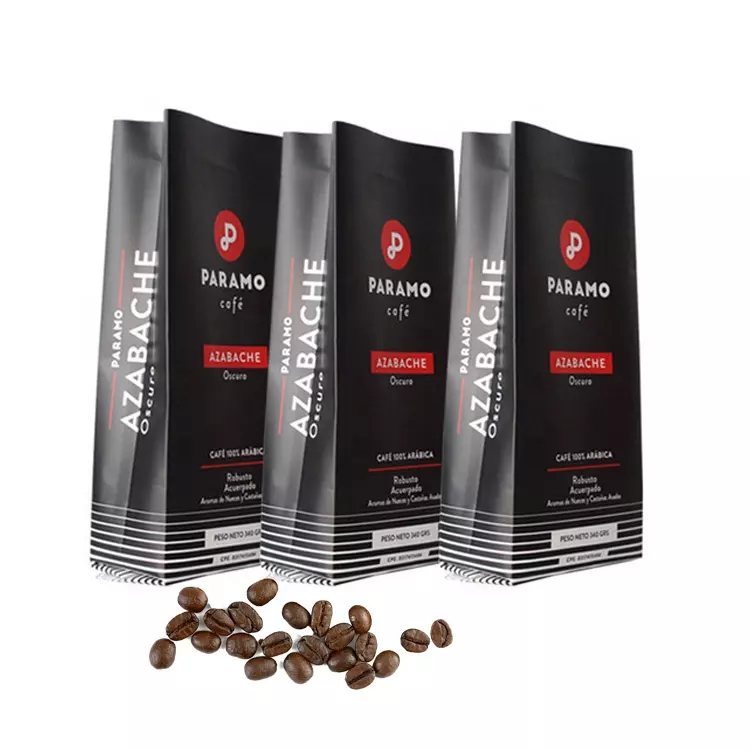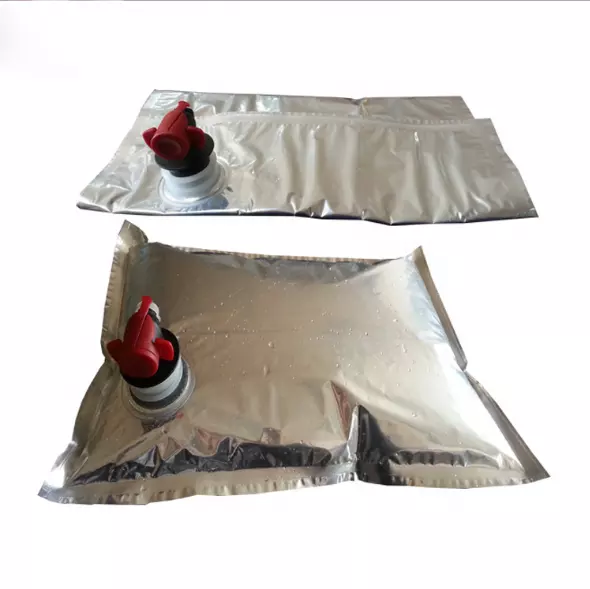
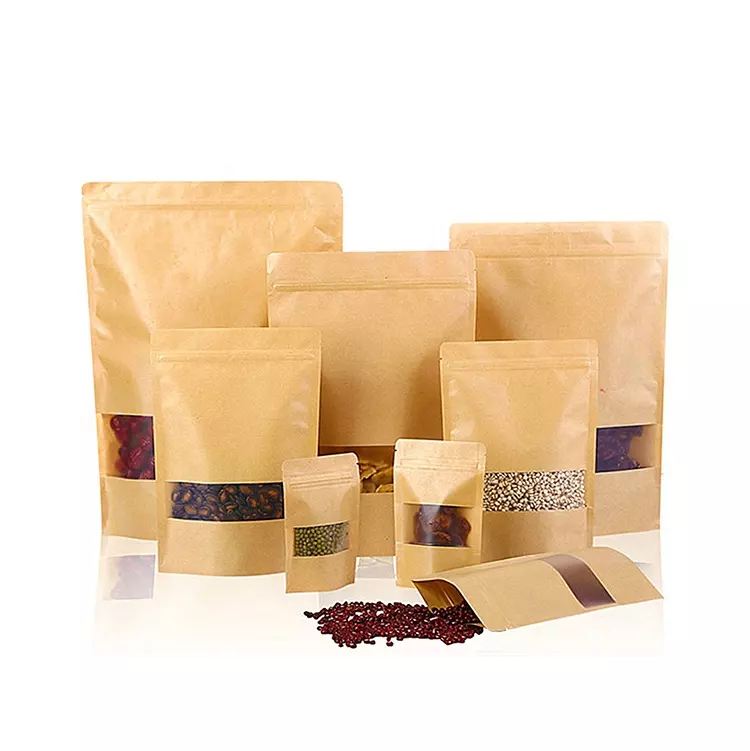
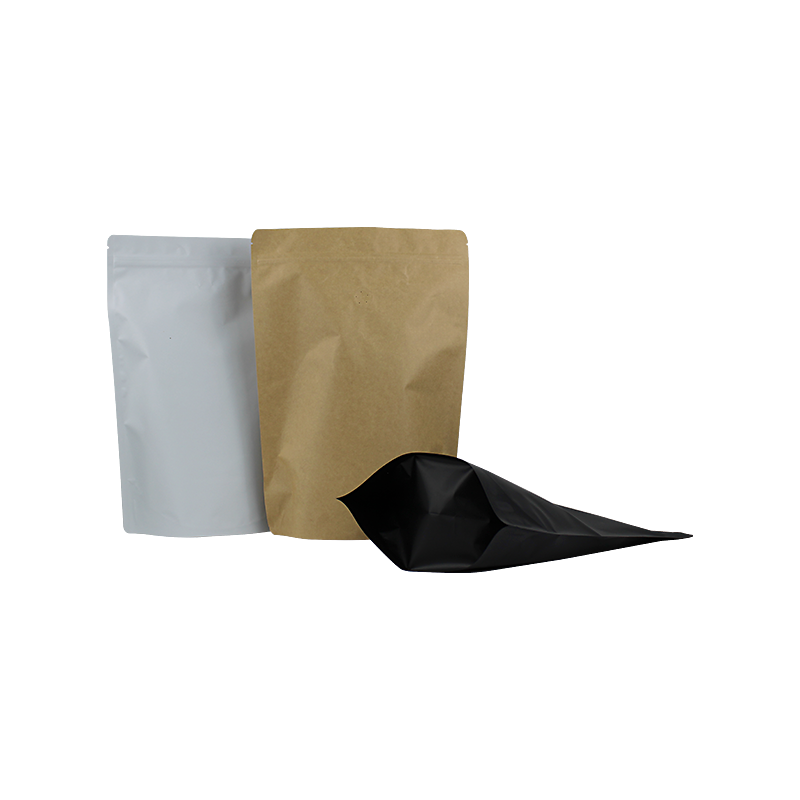
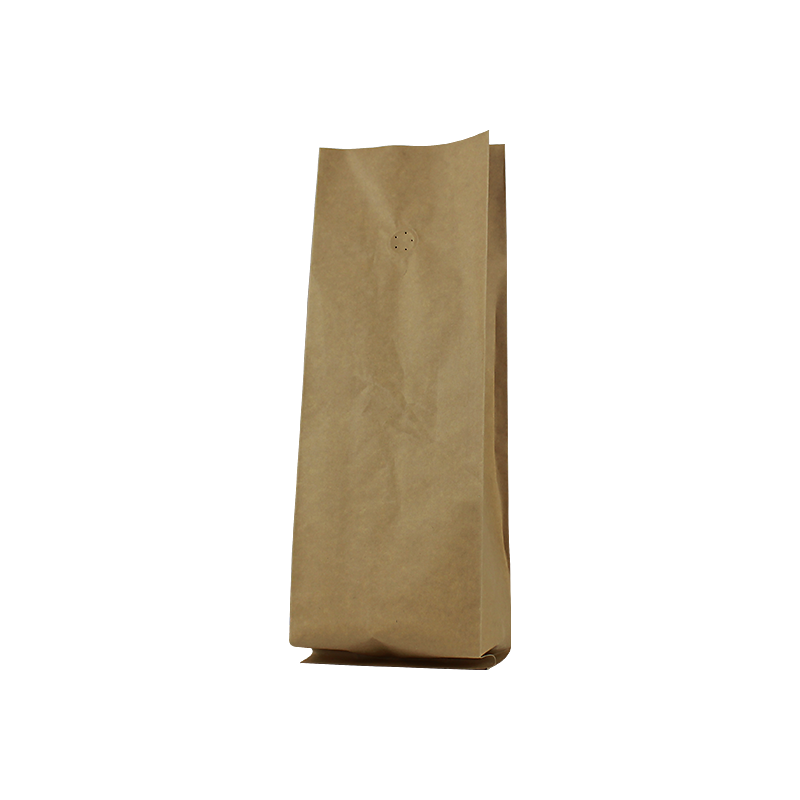
The commercial landscape in South Sudan is currently characterized by a transition toward more organized retail and a growing demand for processed food and beverage products. Local businesses are increasingly seeking packaging that can withstand the rigorous journey from production centers to remote markets, where traditional bulk storage often leads to significant product spoilage.
Geographically, the region's high humidity and temperature fluctuations necessitate high-barrier materials. Infrastructure gaps in cold-chain logistics mean that ambient-stable packaging is not just a preference but a necessity for the survival of perishable goods. Consequently, there is a strategic shift toward lightweight, high-strength flexible films that reduce transportation costs across difficult terrains.
Many local procurers face the hurdle of sourcing customized, small-batch packaging that meets international safety standards. The lack of local high-precision printing and lamination facilities often forces businesses to rely on imports, creating a need for reliable global partners who can provide FDA and EU approved materials to ensure consumer trust and export potential.