
Industry Analysis
The Flexible Packaging Landscape in Sri Lanka
Understanding the intersection of traditional tea culture and modern packaging technology.
Sri Lanka's economy is heavily anchored by its premium beverage exports. However, the transition from bulk shipping to high-value retail packaging has exposed a gap in local manufacturing. The market is currently dominated by either basic plastics that lack barrier properties or ultra-expensive imports. For local brands, the challenge is to secure pouch packaging that provides professional aesthetics and industrial-grade protection against the humid island climate, ensuring that the unique flavor profiles of Ceylon tea and highland coffee remain intact from the factory to the international consumer.
Recent trends indicate a sharp shift toward "convenience-led consumption." This has sparked an increased demand for specialized formats such as drip coffee bag solutions and single-serve tea sachets. These formats require high-precision cutting and sealing technology to prevent leakage of grounds or leaves. Simultaneously, the "Green Wave" is hitting the export sector; buyers in the UK and Germany are now prioritizing brands that use PCR (Post-Consumer Recycled) materials or fully compostable films, making sustainability a commercial necessity rather than a marketing choice.
The outlook for the Sri Lankan market is focused on "Value-Added Packaging." There is a significant opportunity for producers to move away from generic bags and toward custom-engineered solutions that integrate degassing valves and high-fidelity branding. While constraints like fluctuating raw material costs exist, the move toward integrated supply chains—where film blowing and pouch making are synchronized—is becoming the standard for reducing waste and ensuring quality. The future belongs to those who can balance the technical requirements of food preservation with the global mandate for environmental responsibility.
Tech Evolution
The Progression of Flexible Beverage Packaging
From basic containment to intelligent, sustainable preservation systems.
Early Stage
Basic Barrier Layers
Industry relied on single-layer plastics. Protection was minimal, and products were prone to oxidation, requiring rapid turnover and limited shelf life for exported beverages.
Growth Phase
Multi-layer Lamination
Introduction of co-extrusion and solvent-based lamination. This allowed for better oxygen barriers and the inclusion of foil layers, significantly extending the freshness of coffee and tea.
Current Era
Circular Economy Focus
Shift toward solvent-free lamination and PCR content. The focus is now on "Green Barrier" technology: maintaining high protection while ensuring the pouch is 100% recyclable.
From Solvent to Solvent-Free
Traditional lamination used chemicals that could leave residual odors, potentially tainting delicate tea aromas. The shift to solvent-free machines ensures a pure product and a safer manufacturing environment, meeting the strictest HACCP food safety standards.
Precision in Drip Formats
The rise of the "specialty coffee" movement has moved the industry toward coffee and tea bags with integrated filters. This requires advanced multifunctional bag-making machines that can handle non-woven fabrics and plastic films simultaneously.
The PCR Revolution
Integrating 30% PCR content into PE films marks a transition from virgin plastics to a circular model. This technology allows brands to claim a reduced carbon footprint without sacrificing the puncture resistance needed for heavy-duty pouching.
Future Outlook
Strategic Directions in Packaging Design
How technology is reshaping the way beverage products are presented and preserved.
Mono-Material Transition
Moving from multi-material laminates to mono-PE structures. This simplifies the recycling process and ensures that the packaging can be processed by standard recycling facilities globally.
Smart Aroma Preservation
Integration of one-way degassing valves into pouches. This allows CO2 to escape from fresh roasted coffee while preventing oxygen from entering, critical for the "specialty" market.
High-Fidelity Brand Storytelling
Utilizing 10-color printing for tactile effects and matte/gloss contrasts. This turns the packaging into a primary marketing tool that communicates the origin and quality of the beverage.
Compostable Barrier Films
Developing bio-based polymers that provide the same moisture protection as traditional plastics but decompose in industrial composting environments, eliminating landfill waste.
The transition toward sustainable packaging is not merely an environmental gesture but a strategic response to global trade shifts. As Sri Lankan exporters target higher-income demographics in the West, the "packaging experience"—including the ease of opening, the tactile feel of the material, and the clarity of the sustainability claims—becomes as important as the product itself. This requires a move toward integrated engineering where the material science of the film is designed specifically for the filling machinery used by the producer.
Furthermore, the integration of PCR (Post-Consumer Recycled) content represents a bridge between traditional plastics and a fully circular economy. By utilizing 30% PCR content PE film, manufacturers can reduce their reliance on virgin resins while maintaining the mechanical strength required for heavy pouches. This hybrid approach allows brands to transition gradually, testing market acceptance of recycled materials without risking product leakage or failure during the demanding logistics of international shipping.
Practical Applications
Packaging Solutions in Real-World Sri Lankan Contexts
How our flexible packaging solves specific operational challenges for local businesses.
01
Colombo-Based Specialty Coffee Roaster
A roaster exporting to the EU needs to maintain the "roast date" freshness. They utilize our high-barrier pouches with degassing valves. The local heat and humidity would normally degrade the beans, but the multi-layer lamination prevents oxidation, ensuring the customer in Berlin receives a product that tastes like it was roasted yesterday.
02
Kandy Region Organic Tea Producer
To enter the premium organic market in Japan, this producer requires paper carrier bags with an internal compostable liner. We provide a solution that combines the traditional look of paper with a bio-polymer barrier, satisfying both the organic branding and the strict Japanese import safety standards.
03
Galle-Based Artisanal Beverage Startup
A small startup creates cold-brew concentrates. They lack massive capital for huge minimum orders but need professional 10-color printing. We provide customized pouch packaging with precise dimensions that fit their manual filling process while offering the visual impact of a global brand.
04
Export Hub Logistics Provider
Handling thousands of units for various clients, this provider sees frequent pouch bursts during transit. By switching to our high-strength, solvent-free laminated bags, they reduce the "burst rate" significantly. The improved seal strength ensures that pouches survive the pressure changes of air freight and the vibrations of sea shipping.
05
Eco-Conscious Retail Chain in Colombo
A retail chain wants to eliminate virgin plastics from its private-label tea line. We implement a 30% PCR content PE film. This allows the retailer to market "Recycled Packaging" on the shelf, attracting a younger, environmentally conscious demographic in the urban Colombo area without compromising the product's shelf life.
Case Evidence
Representative Deployment Outcomes
Illustrating the impact of professional flexible packaging on export viability.
Transitioning to high-barrier multi-layer pouches allowed our specialty coffee line to enter the European market. The combination of 10-color printing for brand appeal and a superior oxygen barrier solved our previous issues with premature staling during the 30-day sea voyage.
The shift to PCR-content PE film has been a game-changer for our corporate sustainability goals. We were able to reduce our virgin plastic usage by 30% while maintaining the same seal strength and puncture resistance required for our automated tea packing lines.
Implementing solvent-free lamination was critical for our organic certification. The removal of chemical residues ensures our tea maintains its natural aroma and satisfies the most rigorous food safety audits required for export to Japan and Canada.
Our Heritage
BCPak Ltd: A Decade of Packaging Excellence
Driven by a mission to make the world greener through sustainable material science.
2010
Company Foundation
BCPak Ltd was established in Foshan City, Guangdong Province, China, with a core focus on providing high-quality flexible packaging solutions for global food and beverage markets.
2017
Sustainability Pivot
Launched the production of 100% recyclable and compostable packaging bags, aligning the company's mission to create a greener earth by reducing permanent plastic waste.
Present
Advanced Material Integration
Promoting the use of 30% PCR content PE film and utilizing advanced 10-color printing and solvent-free lamination to serve customers across 20+ countries including the US, UK, and Germany.
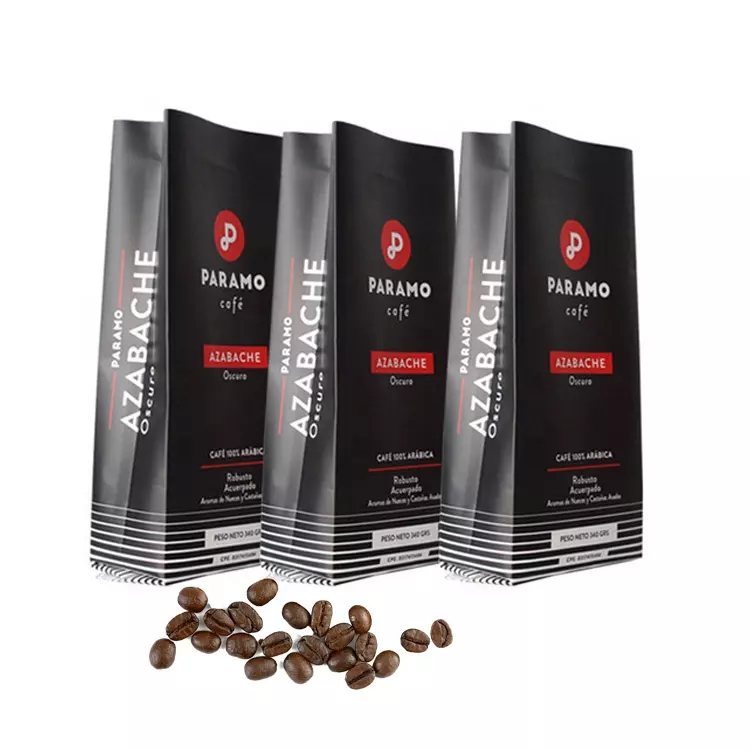
Customized Printing Coffee bags
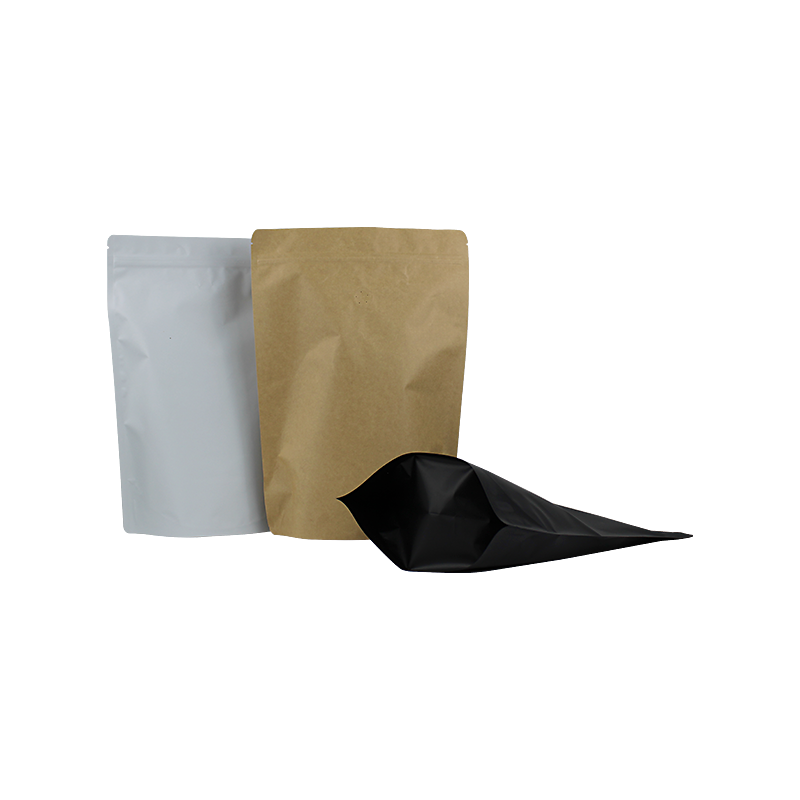
Tea/Snacks/Pet Food Stand Up Pouch Packaging Bag

100% Recyclable Stand Up Pouchs
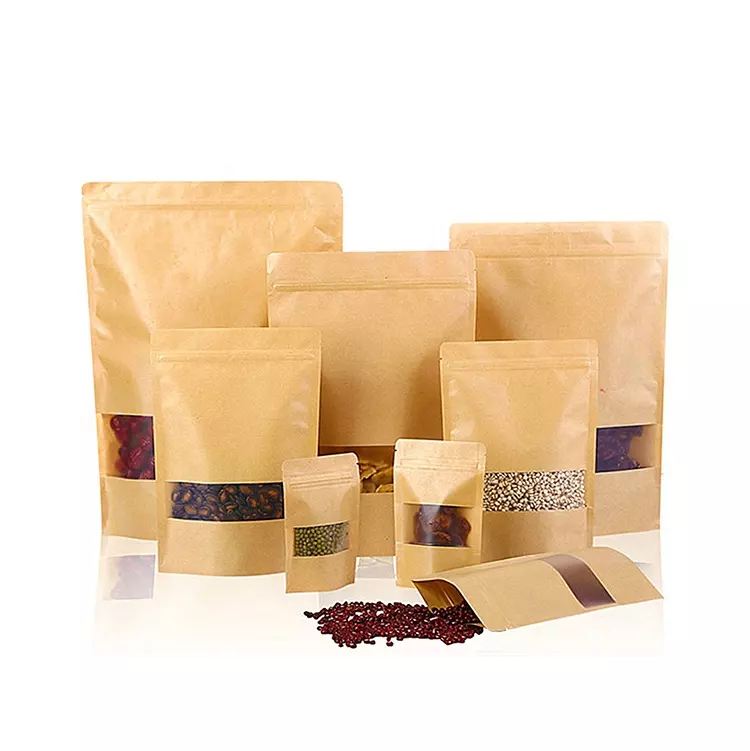
Biodegradable Pouch Bags Eco Friendly Ziplock Stand Up Food Packaging Compostable Coffee Bags
Expert Advice
Common Inquiries on Beverage Packaging
Technical answers to help you choose the right material for your export needs.
What is the primary difference between standard pouches and high-barrier packaging for coffee?
The primary difference lies in the Oxygen Transmission Rate (OTR) and Moisture Vapor Transmission Rate (MVTR). Standard pouches often use single-layer PE or PET, which allow oxygen to seep in over time. High-barrier packaging utilizes multi-layer lamination—often including an aluminum or metallized layer—to create an impermeable shield. This is essential for coffee because oxygen causes the volatile aromatic oils to oxidize, leading to a "flat" taste. For exporters in Sri Lanka, high-barrier films are the only way to ensure product stability during long-haul shipping to humid or cold climates.
How does 30% PCR content PE film affect the strength and sealing of the pouch?
Modern PCR (Post-Consumer Recycled) technology allows us to integrate recycled content without significant loss in mechanical properties. By blending 30% PCR with virgin PE, we maintain the required tensile strength and puncture resistance. The critical factor is the purity of the PCR resin; we use high-grade, filtered resins to ensure that the heat-sealing properties remain consistent. This means your automated filling machines can operate at standard speeds and temperatures without experiencing seal failures or "leakers," providing a sustainable alternative with industrial reliability.
Can you provide packaging that meets both FDA and EU food safety standards for Sri Lankan exports?
Yes, we use raw materials that are specifically certified for food contact by both the FDA and the EU. Our company's adherence to ISO and HACCP certifications means that every stage of production—from film blowing to final pouch cutting—is monitored for contamination. We provide the necessary compliance documentation to help Sri Lankan exporters pass customs inspections and food safety audits in target markets like the USA, Germany, and the Netherlands, ensuring there are no delays due to material non-compliance.
What is the benefit of solvent-free lamination for premium tea packaging?
Traditional lamination uses solvents to bond layers, which can leave behind trace chemical odors (residual solvents). For premium tea, which is highly sensitive to surrounding odors, this can compromise the tasting experience. Solvent-free lamination uses a heat-activated adhesive that eliminates this risk entirely. Beyond the aromatic benefit, it is also an environmentally friendlier process that reduces VOC (Volatile Organic Compound) emissions during manufacturing, aligning your product with "clean label" and eco-friendly brand values.
How do I choose between a standard pouch and a drip coffee bag format?
The choice depends on the target consumer's behavior. Standard pouches are ideal for bulk sales where the consumer has their own brewing equipment. drip coffee bag formats are designed for the "on-the-go" or office market, providing a built-in filter for single-cup brewing. From a production standpoint, drip bags require more complex machinery and specific material compatibility to ensure the filter doesn't tear. If your goal is to enter the convenience retail sector, the drip format is superior, whereas for artisan wholesalers, the traditional pouch is more appropriate.
What are the typical lead times and customization options for custom orders?
We accept fully custom orders including specific designs, dimensions, and material compositions. Because we have our own film blowing subcompany, we can often optimize the lead time by preparing the base film in parallel with the design approval. Lead times vary based on the complexity of the 10-color printing and the volume of the order. We recommend starting the specification process 4-8 weeks before your required shipping date to ensure a seamless transition from the design phase to final production and delivery.
Partner with Experts
Elevate Your Sri Lankan Beverage Exports with Certified Packaging
Whether you are scaling a specialty coffee brand in Colombo or exporting organic tea from the highlands, the right pouch packaging is critical to your success. BCPak Ltd provides the technical expertise, ISO-certified quality, and sustainable materials needed to protect your product and impress global buyers. Contact us today to discuss your specific material requirements and receive a custom packaging blueprint.
Discuss Your Requirements


