Sustainable Flexible Packaging Solutions for United States Markets

Premium, eco-friendly pouch packaging and specialty coffee solutions designed to meet the rigorous environmental standards and consumer demands of the US retail landscape.

Get Expert Advice

High-Performance Packaging Systems

Explore our specialized range of barrier films and custom bags tailored for the American food and beverage industry.

Navigating Packaging Trends in the US Market

Balancing convenience, shelf-life, and sustainability in a competitive landscape.

The United States market exhibits a sophisticated demand for specialized packaging due to its vast geography and diverse distribution networks. For coffee roasters and tea merchants, maintaining freshness over long transit distances is critical. This has led to a surge in demand for advanced pouch packaging that offers superior moisture and oxygen barriers, ensuring that artisanal products retain their profile from the warehouse to the consumer's home.

Consumer behavior in North America is shifting rapidly toward single-serve convenience and "on-the-go" consumption. This evolution is clearly seen in the rise of the drip coffee bag, which allows premium brewing experiences without expensive machinery. Furthermore, the retail sector is increasingly replacing traditional plastic carriers with durable paper carrier bags to align with municipal plastic bans and corporate ESG goals.

From an industry perspective, US procurement officers are prioritizing certified safety and sustainability. The integration of FDA-approved materials and ISO-certified production processes is no longer optional but a baseline requirement. As the market moves toward a circular economy, the adoption of PCR (Post-Consumer Recycled) content and compostable films is becoming a key differentiator for brands looking to capture the eco-conscious demographic.
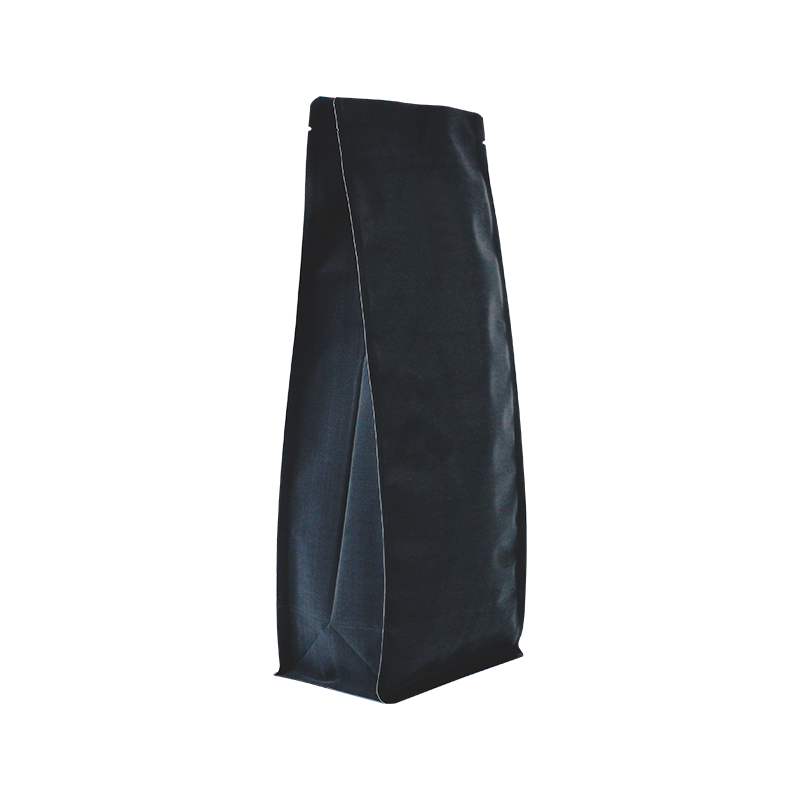
Evolution of Flexible Packaging Materials

Tracing the path from basic containment to intelligent, sustainable systems.

Industry Evolution

2010-2015

Foundational Growth Focus on multi-layer lamination and high-speed printing to enable brand differentiation for coffee and tea bags in the global market.

2016-2020

Eco-Transition Integration of compostable and 100% recyclable materials to address plastic pollution concerns, specifically targeting the EU and US markets.

2021-Present

Advanced Circularity Promotion of 30% PCR content PE films and solvent-free lamination to minimize carbon footprints across the supply chain.

Market Shifts

  • Mono-Material Design

    Moving away from multi-material layers to mono-PE structures to ensure full recyclability without compromising barrier properties.

  • Customized Micro-Packaging

    Growth in precision-engineered coffee tea bags for trial sizes and subscription-based delivery models.

  • Smart Barrier Technology

    Application of advanced coatings that extend shelf life for organic products while remaining compatible with composting facilities.

The Future of US Packaging Infrastructure

Strategic pivots toward carbon neutrality and enhanced user experience.

PCR Integration
Scaling the use of post-consumer recycled plastics to reduce virgin resin dependency and lower carbon emissions.
Barrier Innovation
Developing high-barrier compostable films that match the performance of aluminum foil in moisture protection.
Supply Chain agility
Reducing lead times through custom-built production lines and optimized logistics for North American distributors.
Regulatory Alignment
Ensuring total compliance with evolving FDA and state-level environmental laws regarding plastic waste.

From current market trajectories, we expect the next three to five years to be defined by the "complete circularity" model. US brands will likely move beyond simple recyclability toward materials that can be processed in existing municipal composting systems, reducing the burden on landfills. The synergy between high-speed production and sustainable materials will be the primary driver of cost-efficiency.

For enterprises in the United States, success will depend on selecting partners who control the entire value chain—from film blowing to final pouch fabrication. This integration allows for tighter quality control and the ability to rapidly prototype new materials, such as 30% PCR PE films, ensuring that the brand can pivot as consumer preferences evolve.

Commercial Applications Across the US

Real-world deployment of flexible packaging in diverse business environments.

01
Artisan Coffee Roasteries

Utilizing high-barrier pouches in local urban commercial districts to preserve the aroma of specialty beans for retail sale and subscription shipping.

02
Corporate Office Pantries

Implementing drip coffee bags in city office parks to provide high-quality beverage options without the need for complex industrial machinery.

03
Organic Food Cooperatives

Using 100% compostable pouches for dry snacks and teas in regional organic markets, matching the values of eco-conscious consumers.

04
Retail Distribution Centers

Deploying reinforced paper carrier bags for wholesale distribution to local boutiques and convenience stores across regional logistics hubs.

05
Hospitality & Hotel Suites

Providing luxury coffee and tea bags in boutique hotel rooms, combining premium aesthetic design with high-barrier protection for guest satisfaction.

BCPak Ltd: A Decade of Packaging Excellence

Our journey from a specialized manufacturer to a global flexible packaging group.

2010
Company Establishment

BCPak Ltd was founded in Foshan City, Guangdong, bringing specialized expertise in flexible packaging to the industry.

2017
Green Initiative Launch

Commenced the manufacture of 100% recyclable and compostable packaging bags to support global environmental goals.

Present
PCR Technology Expansion

Promoting 30% PCR content PE films and serving clients in over 20 countries, including the United States and Canada.

Packaging Procurement FAQ

Answers to common technical and commercial queries from North American clients.

Do your pouch packaging materials comply with US FDA food safety standards?

Yes, all raw materials used in our production processes are FDA and EU approved. Furthermore, our facility has obtained ISO and HACCP certificates to ensure the highest standards of hygiene and safety for food-contact packaging.

What is the difference between recyclable and compostable coffee and tea bags?

Recyclable bags are designed to be processed in existing plastic recycling streams, often using mono-material PE. Compostable bags are made from bio-based materials that break down in industrial composting facilities, leaving no toxic residue.

Can you produce custom sizes for drip coffee bag orders?

Absolutely. We accept any custom order regardless of design, size, or material requirements. Our multifunctional pouch-making machines allow us to tailor the dimensions to fit your specific filling equipment and branding needs.

How does the 30% PCR content PE film impact packaging performance?

Our 30% PCR content PE film is engineered to maintain the structural integrity and barrier properties of virgin PE while significantly reducing the environmental impact, making it ideal for US brands pursuing sustainability goals.

What printing capabilities are available for premium brand packaging?

We operate 10-color high-speed printing machines and high-speed lamination lines, including solvent-free options, ensuring vibrant, photographic-quality graphics and durable finishes for high-end retail presence.

How are paper carrier bags integrated into a plastic-reduction strategy?

Paper carrier bags serve as a sustainable alternative for the final point of sale. By combining these with our recyclable flexible pouches, brands can create a fully eco-friendly packaging ecosystem from primary to secondary containment.

Optimize Your Packaging Strategy

Partner with an experienced manufacturer to bring high-performance, sustainable packaging solutions to the United States market. Contact us today for custom quotes.

Request Custom Quote