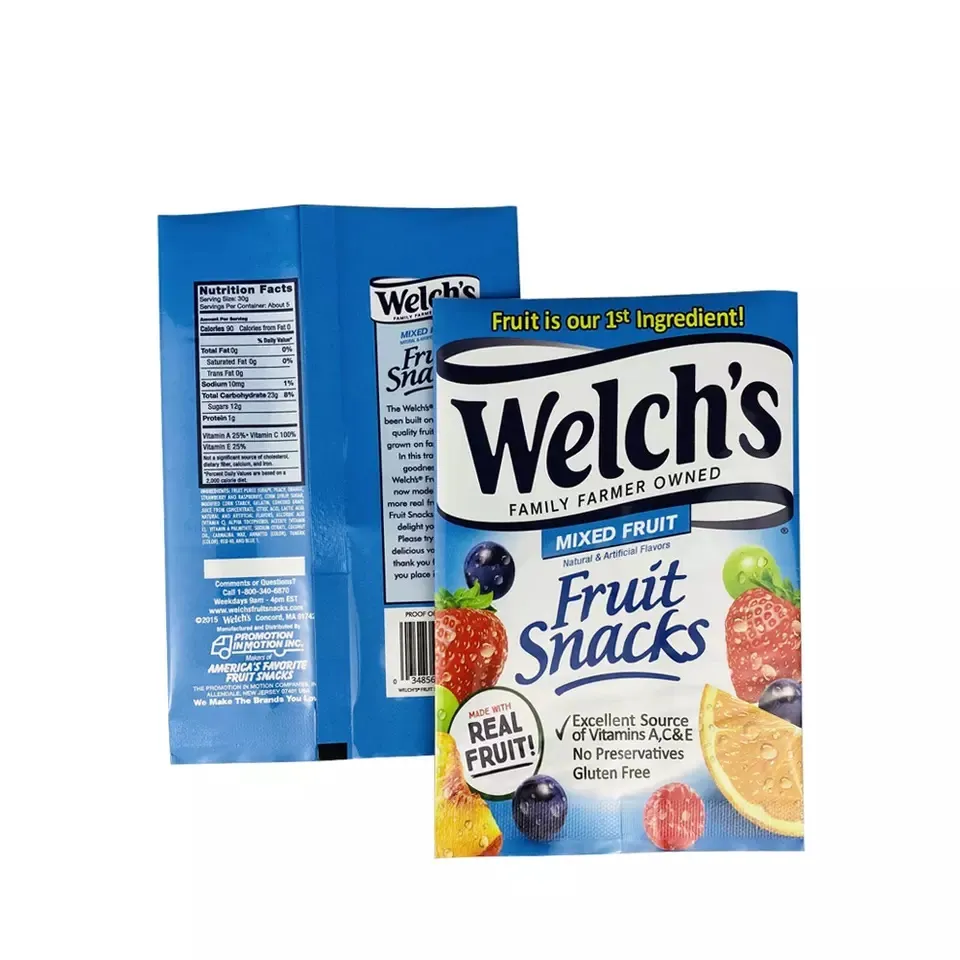

Specialized Packaging for Uzbekistan's Growing Beverage Sector
From precision-engineered drip coffee bag designs to versatile retail pouches.
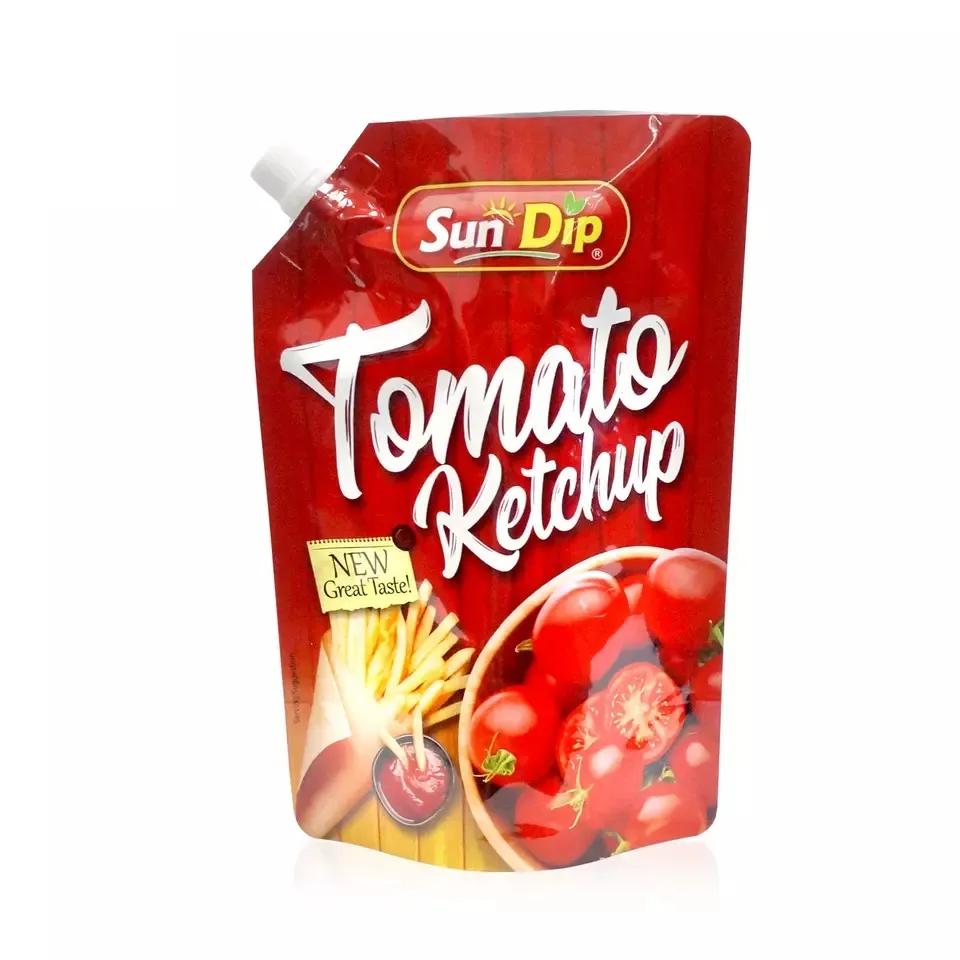
Customized Printing Spout Pouches
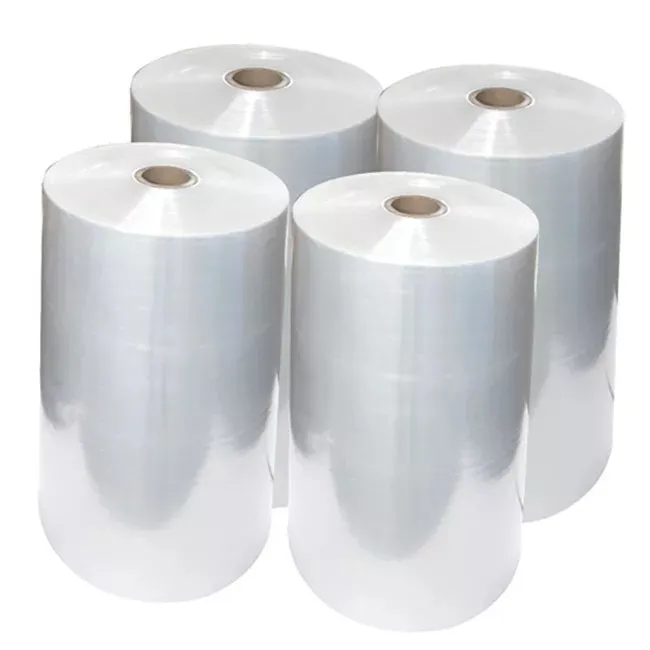
30%-75% PCR PE Film
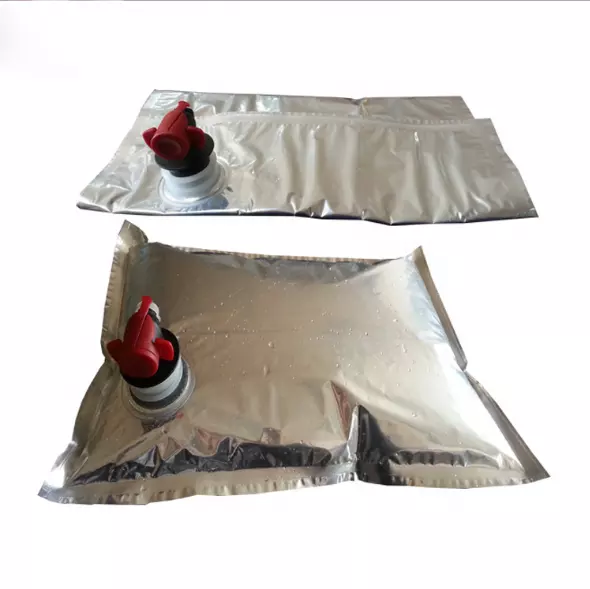
Wine Juice Fruit Storage Aseptic High Barrier Aluminum Foil Reusable Coffee Bags Pouch
Strategic Procurement Analysis for the Uzbek Packaging Market
Evaluating the intersection of regional logistics and high-performance material requirements.
Uzbekistan's inland geography necessitates packaging with exceptional puncture resistance and moisture barriers. For businesses importing coffee or tea, the challenge lies in maintaining product integrity across long transit routes and varying humidity levels, making high-barrier pouch packaging essential for shelf-life extension.
Local buyer behavior is shifting toward convenience and premiumization. There is a growing demand for specialty formats like coffee tea bags and single-serve options that cater to urban consumers in Tashkent and beyond, requiring manufacturers who can handle complex custom designs and precise sizing.
Compliance with international safety standards is becoming a priority for Uzbek exporters. The adoption of FDA and EU approved raw materials, alongside ISO and HACCP certifications, ensures that locally packaged goods can compete in global markets, reducing risk in the supply chain.
Evolution of Flexible Packaging Standards
Tracing the transition from basic containment to intelligent, sustainable preservation systems.
Market Development Stages
-
Early Adoption Stage
Focus on basic plastic films and standard paper carrier bags for primary transport and retail. -
Standardization Stage
Integration of multi-layer lamination to protect aroma and flavor in coffee and tea bags. -
Sustainability Integration
Current shift toward recyclable PE films and compostable materials to meet emerging environmental expectations.
Future Development Trends
- Material Circularity — Increasing adoption of PCR (Post-Consumer Recycled) content to reduce virgin plastic reliance.
- Enhanced Customization — Move toward digitally printed, small-batch pouches for niche artisan brands.
- Barrier Optimization — Developing solvent-free lamination techniques to improve food safety and environmental impact.
Forecast for the Packaging Industry
Analyzing the shifts in technology, materials, and procurement logic over the next 3-5 years.
Eco-Material Migration
Widespread transition to 100% recyclable and compostable structures to align with global green initiatives.
Supply Chain Localism
Optimization of logistics through strategic partnerships with manufacturers who offer end-to-end material control.
Smart Packaging Integration
Adoption of advanced printing and coding for better traceability in the food and beverage supply chain.
Precision Customization
Increased demand for bespoke sizes and materials to suit specific product densities and volume requirements.
Packaging Industry Outlook
The forward-looking analysis indicates that packaging is evolving from a passive container to a critical component of product value. In markets like Uzbekistan, the priority will shift toward balancing cost-efficiency with high-performance barriers that prevent oxidation and moisture ingress.
From a commercial standpoint, businesses that adopt PCR content and recyclable materials early will likely gain a competitive advantage as regional environmental regulations tighten and consumer preferences evolve toward sustainable brands.
Applied Packaging Solutions for Regional Needs
Diverse implementation scenarios for flexible packaging in various commercial environments.
1
Artisan Coffee Roastery Retail
Implementing high-barrier pouches with degassing valves for local roasters to preserve volatile aromas in premium coffee beans.
2
Hospitality and HORECA
Deploying single-serve drip coffee bag solutions for hotels and cafes to provide standardized quality without expensive machinery.
3
Industrial Snack Food Production
Using high-speed lamination pouches for mass-market snack foods to ensure crispness and extend shelf life during regional distribution.
4
Organic Tea Export
Utilizing compostable coffee tea bags for organic tea brands targeting EU markets with strict eco-packaging requirements.
5
Chemical and Household Supplies
Implementing heavy-duty, chemical-resistant pouch packaging for daily-use cleaning products to prevent leaks and contamination.
BCPak Ltd: Engineering Excellence in Packaging
A decade of specialization in flexible packaging manufacturing and material innovation.
10
2010
Company Establishment
BCPak Ltd was founded in Foshan City, Guangdong Province, China, focusing on high-quality flexible packaging solutions.
17
2017
Sustainability Milestone
Launched the production of 100% recyclable and compostable packaging bags to support global environmental goals.
Current
Present
Advanced Material Integration
Promoting 30% PCR content PE film and utilizing 10-color high-speed printing and solvent-free lamination for diverse global markets.
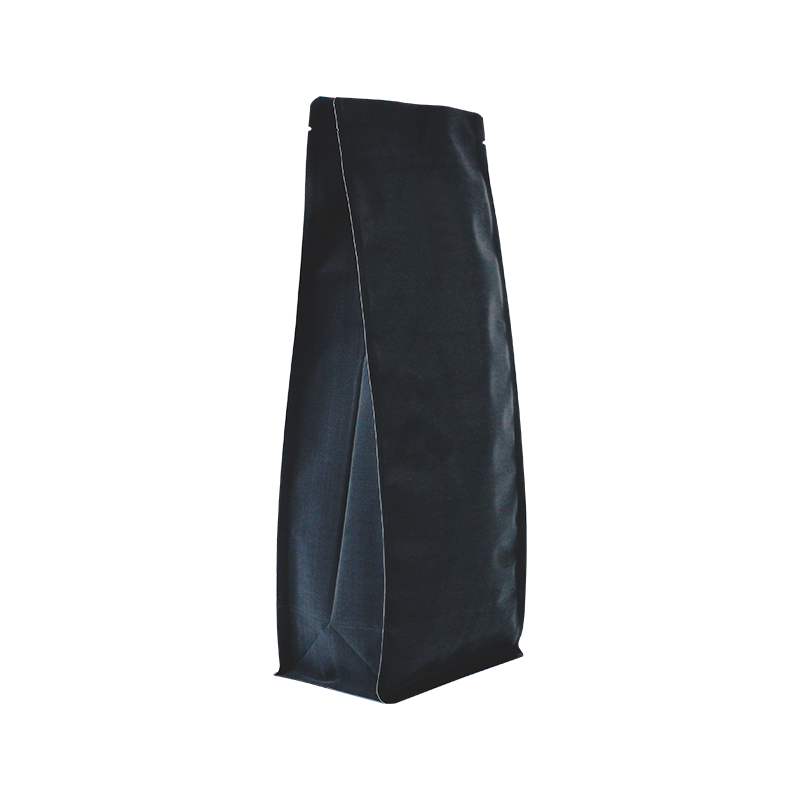
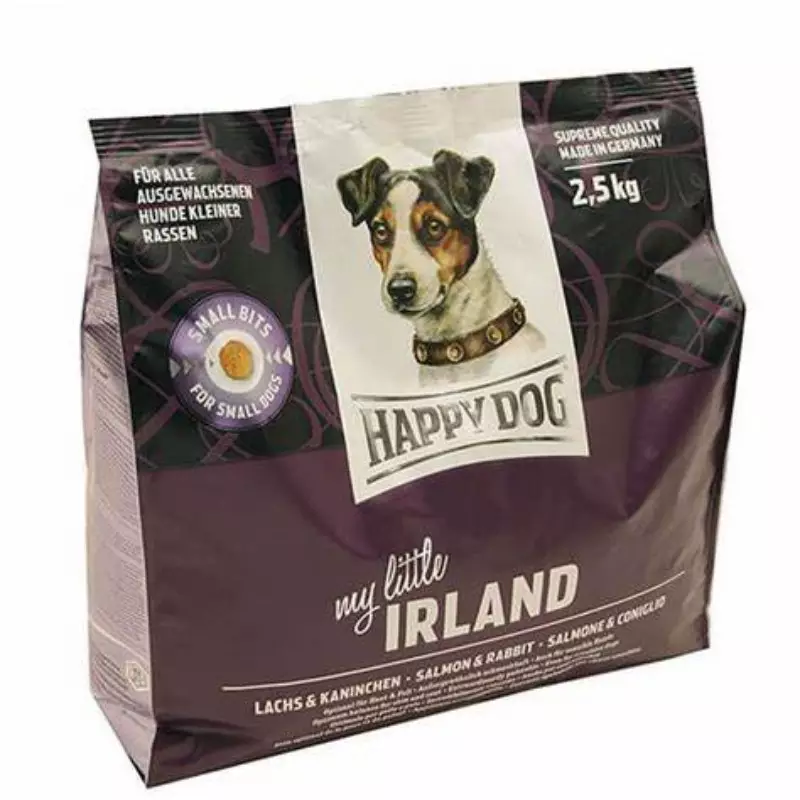
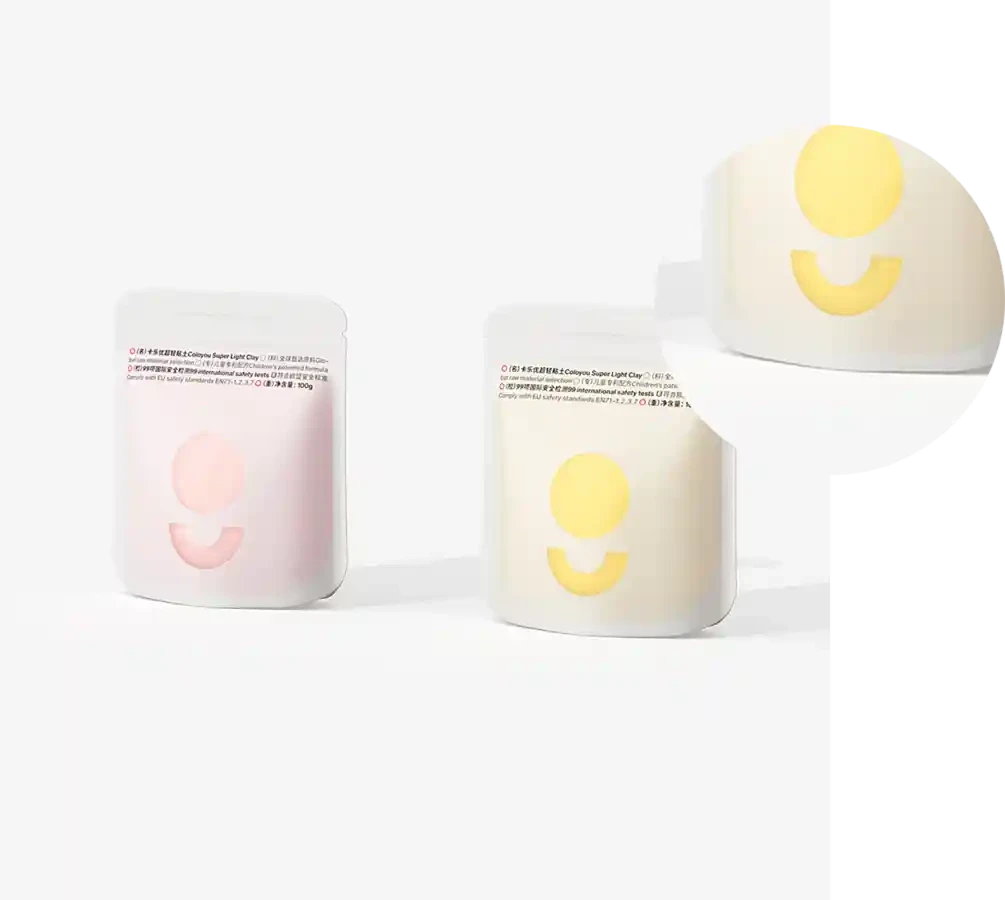
Packaging Solutions for Uzbekistan's Industrial Requirements
Tailored material specifications and custom dimensions for regional food and beverage exporters.
Packaging Procurement FAQ for the Uzbekistan Market
Technical and operational guidance for selecting the right flexible packaging.
How do I choose the right material for drip coffee bags to ensure freshness in Uzbekistan?
Priority should be given to high-barrier laminates that prevent oxygen and moisture ingress. We recommend multi-layer structures with FDA-approved materials that maintain the volatile aromatic compounds of the coffee during transit and storage.
Can pouch packaging be customized for specific regional product dimensions?
Yes, custom sizes and designs are available. BCPak Ltd utilizes multifunctional pouch-making machines to accommodate a wide range of dimensions and material combinations based on the specific density and volume of the product.
What certifications are necessary for exporting packaged food from Uzbekistan to the EU?
ISO and HACCP certificates are critical for operational safety. Additionally, ensuring that raw materials are EU-approved is essential for regulatory compliance when entering European markets.
What are the benefits of using 30% PCR content PE film for local businesses?
PCR (Post-Consumer Recycled) film reduces the reliance on virgin plastics, lowering the overall carbon footprint. This allows brands to market themselves as environmentally responsible while maintaining the functional integrity of the packaging.
How does solvent-free lamination improve the quality of coffee and tea bags?
Solvent-free lamination eliminates the risk of residual solvent odors migrating into the product. This is particularly important for aromatic products like coffee and tea, ensuring the natural taste remains untainted.
Does BCPak Ltd handle the entire process from material blowing to finished pouches?
Yes, as a group company, we operate our own film blowing subcompany, CY Packaging. This vertical integration allows us to control quality from the raw material stage to the final high-speed printing and pouch conversion.
Optimize Your Packaging Strategy in Uzbekistan
Discuss your specific material requirements and custom design needs with our technical team to ensure your products remain fresh and competitive in the Uzbekistan market.
Contact Us Now


- No. 6 Hefu Road, Hengjiang Industrial Zone, Gaoming District, Foshan, Guangdong Province,China
- Tel: 86-133 3649 8096
- Email:enid@bc-pak.com
-


