
Understanding Gusseted Bag Meaning A Comprehensive Guide To Packaging Solutions
What is a Gusseted Bag Meaning? A Comprehensive Guide
Gusseted bags are a popular packaging solution across a wide range of industries, offering enhanced capacity and stability compared to standard flat bags. But what exactly does a gusseted bag meaning entail? This article will explore the definition, types, benefits, applications, and materials used in gusseted bags, providing a comprehensive overview for businesses seeking optimal packaging solutions. Understanding the nuances of gusseted bags can help you make informed decisions to meet your specific product packaging needs.
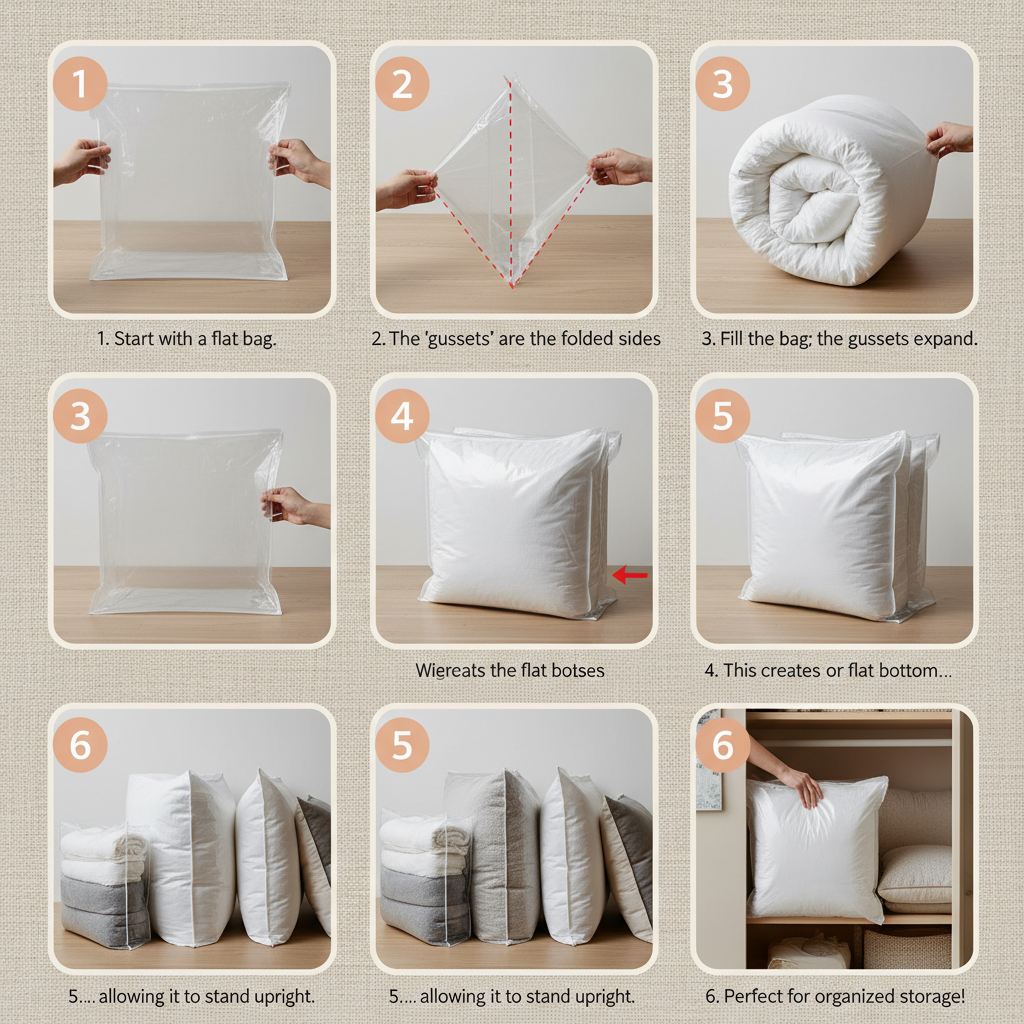
Defining Gusseted Bags: Beyond the Basics
At their core, gusseted bags are packaging solutions that feature additional panels – the “gussets” – inserted into the sides, bottom, or both of the bag. These gussets expand the bag's capacity, allowing it to accommodate more product and maintain its shape even when filled. Unlike flat bags, which can be unstable when loaded, gusseted bags stand upright and provide a more professional presentation. These are used in many different types of industries, including food, agriculture, and chemical packaging. DSL Pack provides a variety of gusseted packaging options.
Key Takeaway: Gusseted bags offer increased capacity and stability compared to standard flat bags, making them ideal for a wider range of products and packaging needs.
Types of Gusseted Bags: A Detailed Breakdown
Gusseted bags aren't a one-size-fits-all solution. Several types cater to different product requirements and aesthetic preferences. The most common types include:
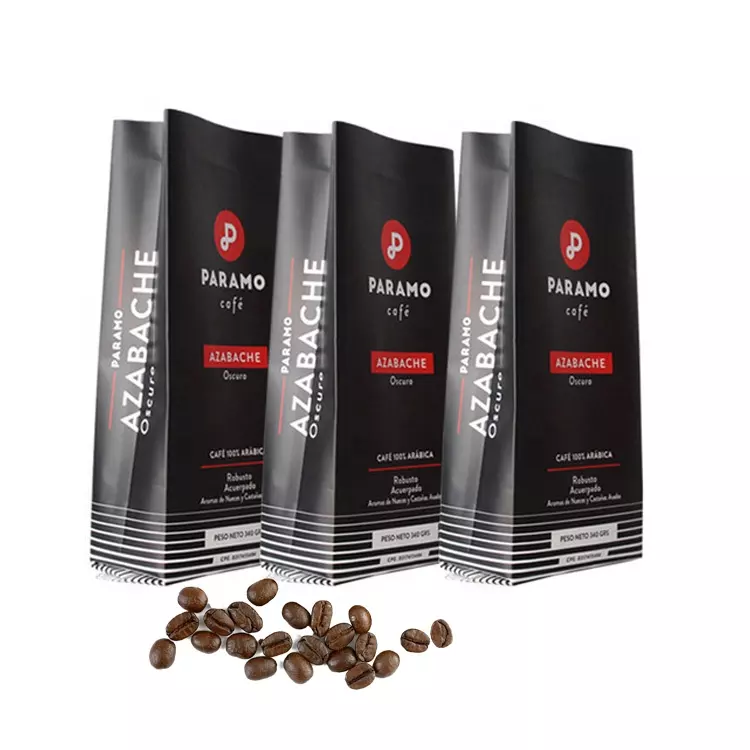
- Side Gusseted Bags: Feature gussets on both sides, expanding width and providing a stable base.
- Bottom Gusseted Bags: Have a gusset at the bottom, increasing depth and allowing for greater volume.
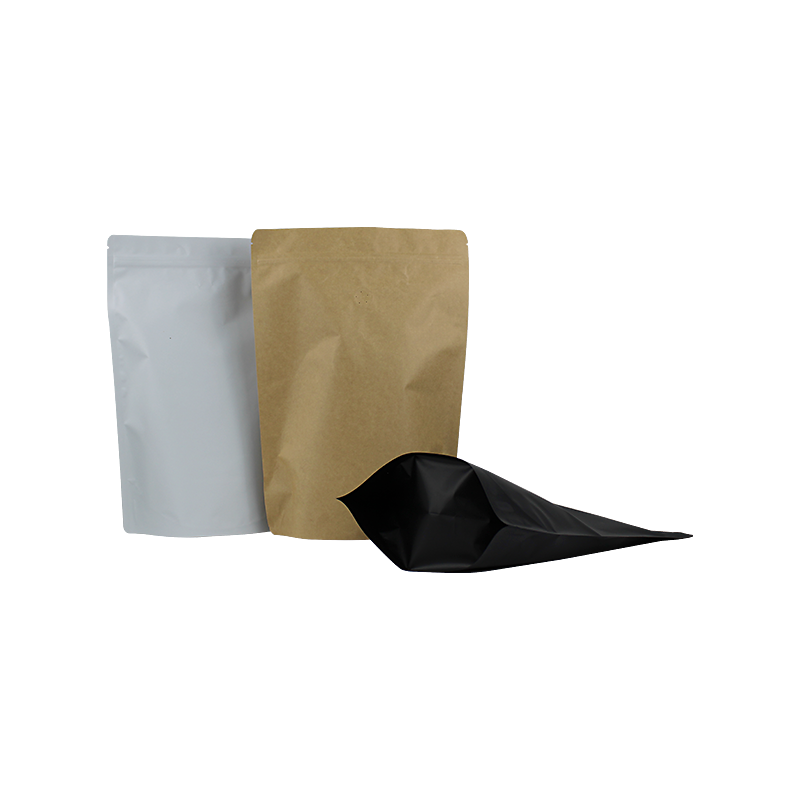
- Stand-Up Gusseted Bags (also known as Doypacks): Combine side and bottom gussets, enabling the bag to stand upright independently, ideal for retail display.
- Flat Bottom Gusseted Bags: Have a flat bottom created by a bottom gusset, providing a stable, retail-ready display.
The choice of gusset type depends on the product's shape, weight, and desired presentation.
Benefits of Using Gusseted Bags: Why Choose Them?
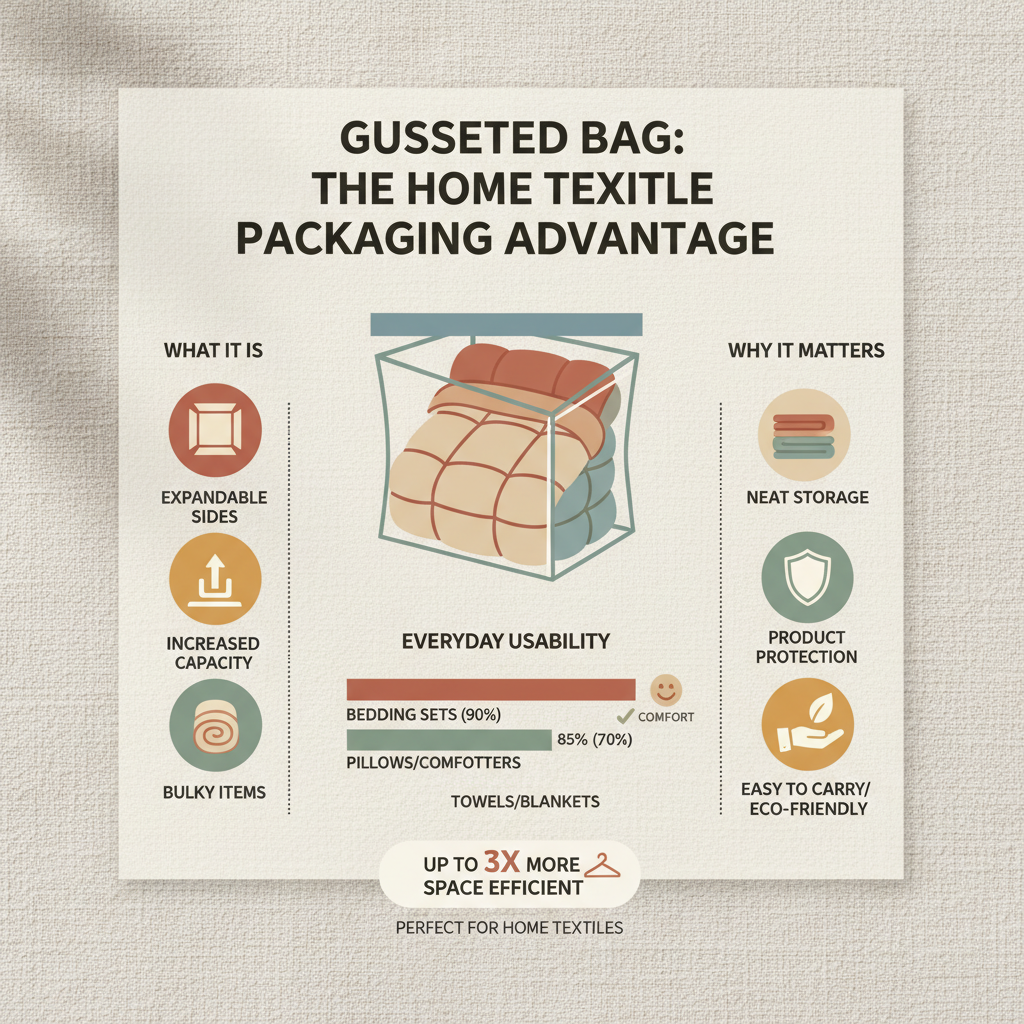
Investing in gusseted bags offers several advantages. Primarily, they significantly increase packaging capacity without increasing material usage. Their ability to stand upright enhances shelf appeal, making products more visible to consumers. Furthermore, gusseted bags often allow for a lower shipping volume versus rigid packaging solutions. Gusseted bags from DSL Pack can be custom printed to enhance brand recognition and provide important product information.
Key Benefits:
• Increased Packaging Capacity
• Enhanced Shelf Appeal
• Reduced Shipping Costs
• Improved Product Presentation
Gusseted Bag Materials: A Comparative Look
The material used for gusseted bags impacts their durability, barrier properties, and overall performance. Common materials include:
Applications Across Industries: Where Gusseted Bags Excel
Gusseted bags are versatile and find use in numerous industries. In the food industry, they package coffee, snacks, pet food, and frozen goods. Agriculture utilizes them for seeds, fertilizers, and animal feed. Chemical and industrial applications include packaging powders, granules, and liquids. The ability to customize the bag's material and features makes them suitable for nearly any product requiring flexible packaging.
Frequently Asked Questions (FAQs)
What's the difference between a gusseted bag and a stand-up pouch?
While often used interchangeably, there's a key distinction. A gusseted bag can stand up, but it doesn't inherently have the structural stability of a stand-up pouch. Stand-up pouches typically incorporate a wider, reinforced bottom gusset and sometimes a zipper or closure system for added convenience. Gusseted bags rely more on the product inside to maintain their upright shape. Both are excellent choices, but the best option depends on the specific product and its presentation requirements.
Are gusseted bags recyclable?
Recyclability depends on the material. Polyethylene (PE) gusseted bags are often recyclable in specific plastic film recycling streams, but availability varies by location. Polypropylene (PP) bags can also be recycled, but similarly, local infrastructure is key. Laminated films are generally more challenging to recycle due to the mixed materials. DSL Pack is committed to sustainable packaging options and can advise on recyclable materials.
Can gusseted bags be customized with printing?
Absolutely! Gusseted bags offer a large surface area for high-quality printing. You can include your logo, product information, nutritional facts, and branding elements. DSL Pack offers custom printing services to help you create packaging that effectively promotes your brand.




- No. 6 Hefu Road, Hengjiang Industrial Zone, Gaoming District, Foshan, Guangdong Province,China
- Tel: 86-133 3649 8096
- Email:enid@bc-pak.com
-


